


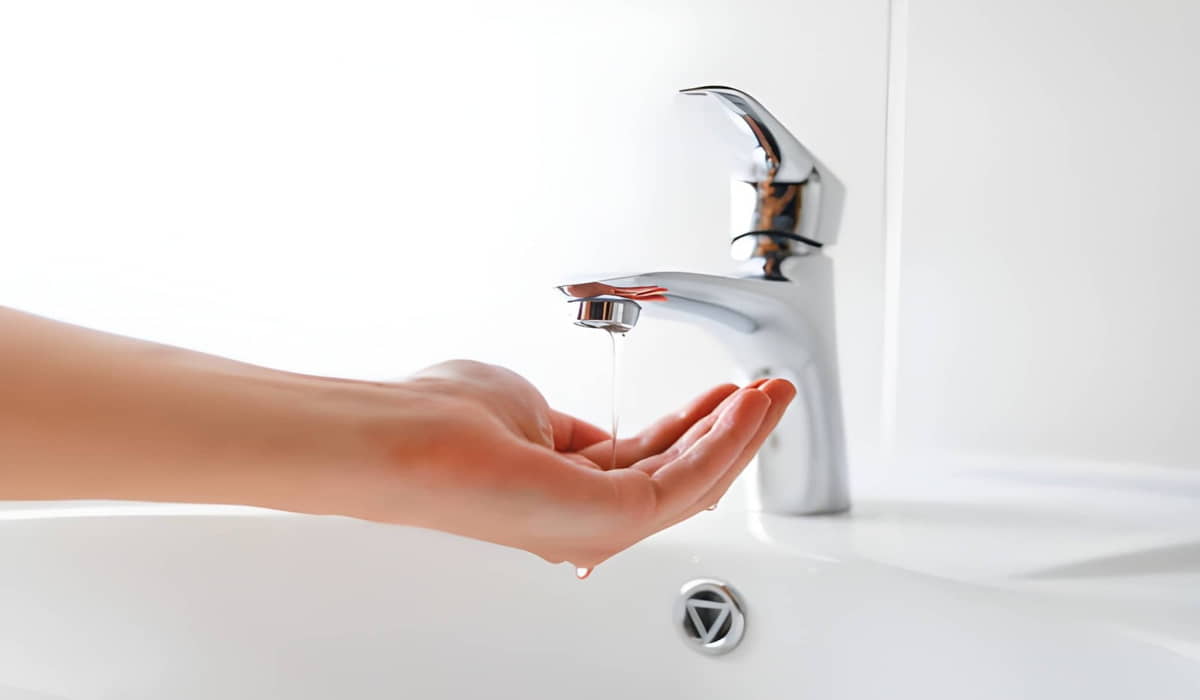
Low water pressure is one of the most frustrating plumbing problems homeowners face. Whether it’s a weak shower, a kitchen faucet that barely flows, or a washing machine taking forever to fill, poor water pressure can make everyday tasks inconvenient.
Sometimes the issue is minor and can be fixed in minutes. Other times, it may point to hidden plumbing problems that require professional attention. Understanding the common causes can help you determine whether it’s a simple DIY fix or time to call a plumber.
In this guide, we’ll explain the most common reasons for low water pressure, how to identify the source of the problem, and the best solutions to restore normal water flow.
Quick Answer
Low water pressure is usually caused by clogged fixtures, partially closed shut-off valves, leaking pipes, faulty pressure regulators, aging plumbing, or problems with the municipal water supply. Identifying the root cause is the first step toward finding the right solution.
What Is Considered Low Water Pressure?
Water pressure refers to the force that pushes water through your home’s plumbing system.
Most residential homes operate between 40 and 60 PSI (pounds per square inch). When the pressure drops below this range, you may notice slower water flow throughout your home.
Common signs include:
- Weak shower pressure
- Faucets producing only a small stream
- Appliances are taking longer to fill
- Multiple fixtures losing pressure when used simultaneously
If these symptoms appear suddenly, there’s likely an underlying issue that needs attention.
Common Signs of Low Water Pressure
Before diagnosing the cause, it’s important to recognize the symptoms.
Weak Shower Performance
A shower that once produced a strong stream but now barely rinses soap away is often the first sign.
Slow-Filling Faucets
Kitchen or bathroom sinks may take much longer to fill containers.
Appliances Working Slower
Dishwashers and washing machines may require additional time because water enters more slowly.
Pressure Drops When Multiple Fixtures Are Used
If someone turns on a faucet while another person is showering and the water pressure drops dramatically, your plumbing system may have a pressure issue.
What Causes Low Water Pressure?
Several plumbing problems can reduce water pressure.
Clogged Faucet Aerators
One of the simplest causes is a clogged aerator.
Aerators are the small screens attached to the tip of faucets. Over time, they collect:
- Mineral deposits
- Rust particles
- Sand
- Sediment
These blockages restrict water flow.
How to Fix It
Remove the aerator, soak it in white vinegar for several hours, scrub away deposits, rinse thoroughly, and reinstall it.
This simple fix often restores normal pressure immediately.
Mineral Build-Up Inside Showerheads
Hard water leaves behind calcium and lime deposits inside showerheads.
These deposits reduce the size of spray openings, limiting water flow.
Signs
- Uneven spray patterns
- Some nozzles are not working
- Reduced pressure only in the shower
Solution
Soak the showerhead in vinegar overnight or replace it if cleaning doesn’t solve the problem.
Partially Closed Shut-Off Valves
After plumbing repairs or maintenance, the main shut-off valve or water meter valve may not be fully reopened.
Even a partially closed valve can significantly reduce pressure throughout the house.
What to Check
- Main water shut-off valve
- Water meter valve (if accessible)
If either valve isn’t fully open, restoring it to the proper position may solve the issue.
Hidden Plumbing Leaks
Leaks don’t always create visible water damage.
A hidden leak inside walls, under floors, or underground can reduce pressure because water escapes before reaching fixtures.
Warning Signs
- Higher water bills
- Damp walls or ceilings
- Mold growth
- Water stains
- Constant sound of running water
Leaks should be repaired promptly to prevent structural damage.
Corroded or Aging Pipes
Older homes often have galvanized steel pipes.
Over time, corrosion builds up inside these pipes, reducing the internal diameter available for water flow.
Eventually, this causes noticeable pressure loss throughout the home.
Signs of Pipe Corrosion
- Rust-colored water
- Low pressure in multiple fixtures
- Older plumbing system
- Frequent leaks
In severe cases, pipe replacement may be the most effective long-term solution.
Faulty Pressure Regulator
Many homes have a pressure regulator installed where the main water supply enters the property.
If this device begins to fail, water pressure may suddenly become:
- Too low
- Too high
- Inconsistent
Symptoms
- Pressure changed overnight
- Entire house affected
- No visible leaks
A plumber can test and replace a faulty pressure regulator if necessary.
Municipal Water Supply Issues
Sometimes the problem isn’t inside your home.
Water utility maintenance, pipe repairs, or increased neighborhood demand can temporarily reduce pressure.
How to Check
Ask nearby neighbors if they’re experiencing similar issues.
If multiple homes are affected, the municipal supply may be responsible.
Water Main Problems
A damaged or partially blocked water service line connecting your house to the municipal supply can also reduce pressure.
Possible causes include:
- Tree root intrusion
- Underground leaks
- Pipe damage
- Sediment buildup
Professional inspection is usually required.
Why Is Water Pressure Low in Only One Faucet?
If only one fixture has low pressure, the issue is usually localized.
Common causes include:
Dirty Aerator
The most likely culprit.
Clogged Supply Line
Sediment may have accumulated inside the flexible water supply line.
Faulty Faucet Cartridge
Modern faucets use cartridges to regulate flow.
If the cartridge becomes clogged or damaged, replacing it often restores pressure.
Why Is Low Water Pressure Affecting the Whole House?
When every faucet experiences low pressure, the cause is usually more significant.
Possible reasons include:
- Main shut-off valve partially closed
- Faulty pressure regulator
- Main water supply issue
- Underground leak
- Aging plumbing system
Whole-house pressure problems often require professional diagnosis.
DIY Fixes You Can Try
Some low-pressure issues are surprisingly easy to fix.
Clean Faucet Aerators
This is one of the quickest and cheapest solutions.
Clean Showerheads
Removing mineral deposits often restores full flow.
Check Shut-Off Valves
Ensure all valves are completely open.
Inspect for Visible Leaks
Look around:
- Toilets
- Under sinks
- Outdoor hose bibs
- Basement plumbing
Finding small leaks early can prevent larger repairs.
When Should You Call a Professional Plumber?
Some plumbing problems require specialized equipment.
Contact a plumber if:
- Pressure suddenly drops throughout the house.
- You suspect an underground leak.
- Water bills increase unexpectedly.
- Rust-colored water appears.
- Multiple DIY solutions fail.
- Pipes are old and corroded.
- Water pressure fluctuates constantly.
A professional can accurately identify the source without unnecessary guesswork.
Can Low Water Pressure Damage Your Home?
Low pressure itself usually doesn’t damage a home.
However, the underlying cause might.
For example:
- Hidden leaks can weaken structural materials.
- Corroded pipes eventually fail.
- Pressure regulator problems can suddenly shift from low pressure to dangerously high pressure.
Ignoring these issues often leads to more expensive repairs later.
How to Prevent Low Water Pressure
Regular maintenance goes a long way toward preventing plumbing problems.
Clean Aerators Every Few Months
Especially in areas with hard water.
Flush Water Heaters Annually
Sediment buildup affects plumbing performance.
Fix Small Leaks Quickly
Minor leaks can become major issues.
Monitor Water Pressure
A simple pressure gauge can identify problems before they worsen.
Schedule Plumbing Inspections
Older homes benefit from periodic professional inspections.
Frequently Asked Questions
Is low water pressure always a plumbing problem?
No. Sometimes municipal water maintenance or neighborhood supply issues temporarily reduce pressure.
Can hard water cause low pressure?
Yes. Mineral deposits from hard water commonly clog faucets, showerheads, and pipes.
Why is my shower pressure low, but my sink is fine?
The showerhead is likely clogged with mineral deposits.
Can old pipes reduce water pressure?
Absolutely. Corrosion inside aging galvanized pipes is one of the most common causes of low water pressure in older homes.
Should I replace my pressure regulator?
If testing confirms it’s faulty, replacing the regulator is often the best solution.
Final Thoughts
Low water pressure can range from a simple nuisance to a warning sign of a more serious plumbing issue. While clogged aerators, dirty showerheads, and partially closed valves are easy fixes, problems like hidden leaks, corroded pipes, or faulty pressure regulators require prompt attention.
The key is not to ignore persistent low water pressure. Small plumbing issues often become expensive repairs when left unresolved.
If basic troubleshooting doesn’t restore normal water flow or you notice pressure problems throughout your home, having a licensed plumber inspect your plumbing system is the safest and most effective solution. Restoring proper water pressure not only improves everyday comfort but also helps protect your home’s plumbing for years to come.