


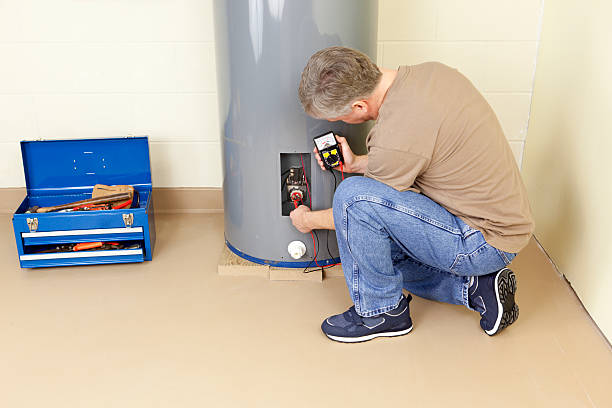
A boiler that keeps losing pressure usually has a leak, a problem with the expansion vessel, a faulty pressure relief valve, or air trapped in the heating system. Sometimes, the pressure drops because a radiator has recently been bled or the system has not been topped up correctly.
Most household boilers operate at around 1 to 1.5 bar when cold, although the correct pressure depends on the boiler model. If the pressure repeatedly falls below the recommended level, your heating may stop working or the boiler may display a low-pressure fault.
The important thing is to identify why the pressure is dropping instead of repeatedly topping up the system. Here are the common causes, how to check them, and when to call a qualified heating engineer.
What Is Normal Boiler Pressure?
Boiler pressure measures the water pressure inside your central heating system. It helps move hot water through the pipes, radiators, and heating components.
Most sealed central heating systems have a pressure gauge on the boiler’s front panel or underneath its casing.
As a general guide:
| Boiler condition | Typical pressure |
|---|---|
| Cold boiler | 1–1.5 bar |
| Heating switched on | Around 1.5–2 bar |
| Below recommended pressure | Often below 1 bar |
| Too high | Often above 2.5–3 bar |
These figures are general guidance, not universal limits. Always follow the manufacturer’s instructions for your particular boiler.
It is normal for boiler pressure to increase slightly when the heating is running because water expands as it gets hot. However, a significant increase or repeated pressure loss may indicate a problem.
10 Common Reasons Why a Boiler Keeps Losing Pressure
Several problems can cause boiler pressure to fall. Some are easy to identify, while others need professional inspection.
1. A Leak in the Central Heating System
A leak is one of the most common reasons for a boiler losing pressure.
Your central heating system is designed to circulate water through a closed network of pipes and radiators. If water escapes through a damaged pipe, loose connection, or leaking radiator valve, the system gradually loses pressure.
Signs of a heating system leak include:
- Damp patches on walls or ceilings.
- Water around radiator valves.
- Wet areas near heating pipes.
- Stains on floors or carpets.
- Corrosion or green marks around pipe connections.
- Boiler pressure dropping repeatedly.
Sometimes, leaks are easy to spot around radiator valves or exposed pipes. However, a leak beneath flooring or inside a wall may not be immediately visible.
What should you do?
Check visible radiators, valves, and accessible heating pipes for signs of water. If you find a leak, contact a qualified heating engineer.
Do not keep topping up the boiler without addressing the leak. Repeatedly adding fresh water can introduce oxygen into the heating system and contribute to corrosion.
2. A Faulty Expansion Vessel
The expansion vessel helps manage changes in water pressure as the heating system warms up and cools down.
When water heats up, it expands. The expansion vessel provides space to absorb this increase in volume and helps prevent excessive pressure changes.
If the expansion vessel loses its air charge or develops a fault, boiler pressure may rise too much when the heating is running.
The pressure relief valve may then release water to protect the system. When the boiler cools down, the pressure can drop significantly.
Common signs of an expansion vessel problem include:
- Pressure rising sharply when the heating is on.
- Pressure dropping when the boiler cools.
- Water discharging from the pressure relief pipe.
- Frequent need to top up the boiler.
- Pressure moving between unusually high and low readings.
How can it be fixed?
A heating engineer can check the expansion vessel’s air charge, diaphragm, and condition.
Depending on the fault, the vessel may need recharging or replacing. This is not a routine homeowner repair because it requires working on the pressurised heating system.
3. A Faulty Pressure Relief Valve
A pressure relief valve is a safety component that releases water when system pressure becomes too high.
If the pressure rises beyond its operating limit, the valve opens to prevent excessive pressure from damaging the heating system.
However, the valve can become damaged, worn, or stuck slightly open. When this happens, it may continue releasing small amounts of water even when the pressure is normal.
Signs of a faulty pressure relief valve include:
- Water dripping from the discharge pipe.
- Boiler pressure falling without an obvious internal leak.
- Repeated pressure drops after topping up.
- Signs of water around the external discharge outlet.
What is the solution?
A qualified heating engineer should inspect the pressure relief valve and identify why it is releasing water.
Simply replacing the valve may not solve the problem if excessive pressure from a faulty expansion vessel is causing it to open.
4. Air Trapped in the Radiators
Air can enter a central heating system and collect inside radiators. This can affect heating performance and may contribute to pressure changes.
When air builds up, you may notice that some radiators do not heat evenly.
Common warning signs include:
- Radiators cold at the top but warm at the bottom.
- Gurgling or bubbling sounds.
- Uneven heating between rooms.
- Pressure changes after radiator bleeding.
How can you fix it?
If you know how to bleed a radiator safely, follow the radiator and boiler manufacturer’s instructions.
Before bleeding radiators, switch off the heating and allow the system to cool. Use a suitable radiator key and open the bleed valve carefully. Close it when water begins to flow steadily.
Bleeding radiators can reduce boiler pressure, so check the pressure afterwards. If your system needs topping up, follow the manufacturer’s filling instructions.
If air keeps returning or pressure continues to fall, ask a heating engineer to inspect the system.
5. A Leak Inside the Boiler
Not every leak appears around radiators or visible heating pipes. Water can also escape from components inside the boiler.
Possible sources include:
- Internal pipe connections.
- Pump seals.
- Heat exchanger connections.
- Other internal components.
You might notice water underneath the boiler, corrosion, or unexplained pressure loss.
However, some internal leaks are not visible from outside the unit.
What should you do?
Do not remove the boiler casing or attempt to inspect internal components yourself. Contact a qualified heating engineer to investigate.
If you notice water around electrical components or suspect water is entering the boiler’s electrical section, stop using the appliance if it is safe to do so and arrange urgent professional attention.
6. Recently Bled Radiators
If you have recently bled one or more radiators, a small drop in boiler pressure may be normal.
Bleeding releases trapped air from the radiator. Depending on how much air and water escapes, the pressure in the sealed heating system can decrease.
For example, your boiler may show a normal pressure before radiator bleeding but display a lower reading afterwards.
How can you fix it?
Check the pressure gauge after bleeding the radiators.
If the pressure is below the manufacturer’s recommended cold pressure, you may need to top up the system using its filling loop or built-in filling mechanism.
Follow the boiler manual carefully. Do not overfill the system.
If pressure drops again after topping up, there may be another problem, such as a leak or faulty component.
7. A Damaged Filling Loop or Connection
The filling loop allows water to enter a sealed central heating system when pressure needs to be restored.
A damaged filling-loop connection, loose fitting, or faulty valve can cause water to escape.
In some cases, a filling-loop valve may not close properly, creating pressure problems or allowing water to enter the system when it should not.
Signs of a filling-loop problem include:
- Water around the filling-loop connections.
- Dripping near the filling valves.
- Pressure that changes unexpectedly.
- Difficulty maintaining the recommended pressure.
What is the solution?
Check the accessible area around the filling loop for visible dripping, without dismantling anything.
If you notice a leak or the pressure behaves unexpectedly, contact a heating engineer to inspect the valves and connections.
Always make sure the filling mechanism is returned to its normal closed position after topping up, following the manufacturer’s instructions.
8. Corroded or Damaged Heating Pipes
Older central heating systems can develop corrosion inside pipes, radiators, and fittings.
Over time, corrosion can weaken metal components and create small holes through which water escapes.
These leaks may be difficult to identify, particularly when pipes are hidden beneath floors or inside walls.
Possible signs include:
- Repeated pressure loss.
- Rust-coloured water around a leak.
- Damp flooring or walls.
- Corrosion around pipe joints.
- Radiators showing signs of deterioration.
How can it be fixed?
A heating engineer may need to locate the leak, assess the pipework, and replace damaged sections.
If corrosion affects several parts of the system, the engineer may recommend a wider inspection and suitable system maintenance.
9. A Faulty Boiler Pressure Sensor or Gauge
Sometimes the pressure reading is incorrect even though the actual water pressure has not changed significantly.
A faulty pressure sensor, gauge, or related electrical connection can cause inaccurate readings or pressure warnings.
Signs of a possible sensor or gauge problem include:
- Pressure readings changing suddenly.
- A low-pressure warning despite an apparently normal gauge reading.
- Readings that do not match the system’s behaviour.
- Pressure faults that continue after a professional pressure check.
What should you do?
Do not assume the boiler needs topping up simply because the display shows a low-pressure warning.
A qualified heating engineer can check the actual system pressure and test the sensor or gauge.
If the reading is inaccurate, the faulty component may need repair or replacement.
10. A Faulty Heat Exchanger or Other Internal Component
The heat exchanger transfers heat to the water circulating through the heating system.
If it develops a leak or another internal fault occurs, water may escape from the boiler and cause pressure loss.
Internal component problems can be difficult to diagnose because the water may not appear outside the boiler.
Possible signs include:
- Repeated pressure drops.
- Water appearing beneath the boiler.
- Unusual boiler behaviour.
- Frequent fault codes.
- Heating problems alongside pressure loss.
A qualified engineer should inspect the boiler and determine whether the heat exchanger or another internal component needs repair or replacement.
How to Fix a Boiler That Keeps Losing Pressure
The right solution depends on what is causing the pressure loss. You should not assume that every low-pressure problem needs the same repair.
Here are the sensible checks a homeowner can make.
Step 1: Check the Boiler Pressure Gauge
Look at the pressure gauge or digital display and compare the reading with the manufacturer’s recommended range.
For many sealed domestic systems, the cold pressure is around 1–1.5 bar.
If the reading is below the recommended level, the boiler may display a low-pressure warning or stop operating.
Step 2: Look for Visible Water Leaks
Check accessible areas around:
- Radiator valves.
- Radiator connections.
- Exposed heating pipes.
- Pipe joints.
- The visible area beneath the boiler.
- The filling-loop connections.
Do not remove the boiler casing or open sealed components.
If you find a leak, arrange a professional repair rather than repeatedly topping up the system.
Step 3: Consider Recent Radiator Bleeding
If you recently released trapped air from your radiators, the pressure may have fallen as a result.
Check the gauge and follow the manufacturer’s guidance to restore the correct pressure if needed.
Step 4: Top Up the Boiler If Appropriate
If there is no sign of a leak and the pressure is simply below the recommended level, your boiler may need topping up.
Many sealed heating systems use a filling loop or an integrated filling mechanism.
The exact procedure varies by boiler model. Follow the manufacturer’s instructions, including how to operate the valves and when to close them.
Do not exceed the recommended pressure. If you are unsure how the filling mechanism works, ask a qualified heating engineer.
Step 5: Monitor the Pressure
After restoring the pressure, check the gauge again when the boiler is cold and compare it with the manufacturer’s guidance.
Observe whether the pressure remains stable over the next few days.
If it drops again, do not continue topping up the boiler as a routine solution. Repeated pressure loss usually means the underlying problem has not been fixed.
Step 6: Arrange a Professional Inspection
If the pressure keeps dropping, an engineer may need to inspect the expansion vessel, pressure relief valve, pipework, internal boiler components, or pressure sensor.
A proper diagnosis helps identify the actual cause instead of treating only the pressure reading.
What Happens If You Keep Using a Boiler With Low Pressure?
A boiler with low pressure may not circulate water properly through the heating system. Some modern boilers stop operating when the pressure falls below their required range.
Continuing to ignore repeated pressure loss can lead to several problems.
1. Reduced heating performance
Radiators may not heat properly, and the boiler may struggle to provide the expected heating performance.
2. No hot water or heating
Some boilers enter a fault or lockout condition when pressure becomes too low.
3. Repeated boiler shutdowns
If the pressure keeps falling, the boiler may repeatedly stop working until the underlying problem is repaired.
4. Further system problems
A leak or faulty component may continue causing damage if left unattended.
5. Increased repair costs
A small leak or component fault may become more serious if it is ignored.
If your boiler repeatedly loses pressure, arrange an inspection rather than relying on frequent top-ups.
When Should You Call a Heating Engineer?
You can check the pressure gauge and look for visible leaks, but some boiler pressure problems require specialist equipment and experience.
Contact a qualified heating engineer if:
- Boiler pressure keeps dropping after topping up.
- You cannot find the source of a leak.
- Water is dripping from the pressure relief discharge pipe.
- Pressure rises sharply when the heating is switched on.
- You suspect an expansion vessel problem.
- The boiler displays repeated pressure-related fault codes.
- You notice water leaking from inside the boiler.
- The pressure gauge gives unusual or inconsistent readings.
Do not remove the boiler casing, adjust internal components, or attempt repairs involving gas or electrical parts yourself.
If you smell gas, do not operate electrical switches or use naked flames. Follow the gas emergency procedure for your location and contact the appropriate emergency service.
How to Prevent Your Boiler From Losing Pressure
Not every pressure problem can be prevented, but regular maintenance can help identify developing faults before they become more serious.
Here are some useful maintenance practices.
Arrange Regular Boiler Servicing
A qualified heating engineer can inspect important boiler components, check for leaks, and identify signs of wear.
Regular servicing should follow the manufacturer’s recommendations and local requirements.
Check the Pressure Gauge
Get familiar with your boiler’s normal cold-pressure reading.
Checking it occasionally can help you notice unusual changes early.
Do Not Ignore Small Leaks
Even a small leak around a radiator valve or pipe connection can gradually reduce system pressure.
Arrange repairs when you notice water escaping.
Avoid Repeatedly Topping Up the System
Adding water can temporarily restore pressure, but it does not repair a leak or faulty component.
If you need to top up the boiler frequently, arrange an inspection.
Keep Radiators and Valves in Good Condition
Check for corrosion, damp patches, and signs of water around radiator valves.
If you notice a problem, have it assessed before it causes further damage.
Frequently Asked Questions About Boiler Pressure
Why does my boiler keep losing pressure but there are no leaks?
A visible leak is not the only possible cause. The expansion vessel, pressure relief valve, internal boiler components, or a hidden pipe leak may be responsible. A faulty pressure sensor can also produce an incorrect reading. A heating engineer can test the system to identify the problem.
How often should I need to top up my boiler pressure?
You should not normally need to top up a sealed heating system frequently. A small pressure adjustment may occasionally be needed after radiator bleeding or maintenance, but repeated pressure loss suggests an underlying problem.
Is it normal for boiler pressure to drop when the heating is off?
A small change in pressure as the system heats and cools can be normal. However, a continuing or significant pressure drop when the heating is off may indicate a leak or faulty component.
Can bleeding radiators cause boiler pressure to drop?
Yes. Bleeding radiators releases trapped air, and some water may also escape. This can reduce the pressure in the heating system. Check the boiler gauge afterwards and restore the pressure according to the manufacturer’s instructions if needed.
Can I use my boiler if the pressure is below 1 bar?
Some boilers may continue operating at a low reading, while others display a warning or stop working. Follow the manufacturer’s recommended pressure range. Do not ignore a low-pressure warning or repeatedly reset the boiler without identifying the cause.
Why does my boiler pressure drop overnight?
Pressure may drop overnight because the heating system cools down, but a persistent or substantial reduction can indicate a leak, pressure relief valve problem, or expansion vessel fault. Compare readings under similar conditions and arrange an inspection if the pressure keeps falling.
Why does my boiler pressure increase when the heating is on?
Water expands as it heats up, so a modest pressure increase is normal. A large increase may indicate that the expansion vessel is not managing the pressure correctly.
How do I know if my boiler expansion vessel is faulty?
Common warning signs include a sharp pressure increase when the heating runs, pressure dropping when the system cools, and water escaping through the pressure relief pipe. A qualified engineer needs to test the vessel to confirm the fault.
Can a faulty pressure relief valve cause low boiler pressure?
Yes. If the pressure relief valve does not close properly, water can escape through its discharge pipe. This can gradually reduce pressure in the heating system.
Should I keep topping up my boiler if it keeps losing pressure?
No. Topping up may temporarily restore the pressure, but it will not fix a leak or faulty component. Repeatedly adding water can also contribute to corrosion inside the system. Find and repair the underlying cause.
Final Thoughts
A boiler losing pressure can be caused by something relatively simple, such as recently bleeding radiators, or a more serious problem involving a leak, expansion vessel, pressure relief valve, or internal component.
Start by checking the pressure gauge and looking for visible leaks. If the pressure is low and the system appears sound, follow the manufacturer’s instructions for topping it up.
However, if the pressure keeps dropping, do not keep adding water and hoping the problem will disappear. Arrange an inspection by a qualified heating engineer to identify and repair the underlying fault.
Maintaining the correct boiler pressure helps your heating system operate as intended and reduces the risk of unexpected breakdowns.