


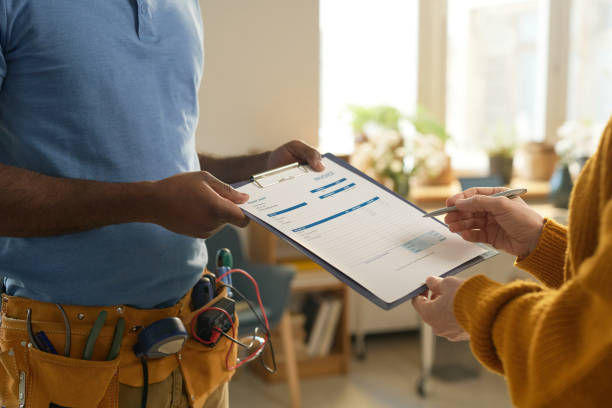
Before going on holiday, checking your plumbing system can help prevent unexpected leaks, water damage, and costly repairs while you are away. A loose tap, leaking pipe, blocked drain, or faulty toilet may seem like a small problem at home, but it can become a much bigger issue when nobody is around to notice it.
Taking a few minutes to inspect your plumbing before leaving can give you peace of mind. Whether you are going away for a weekend or planning a few weeks abroad, these seven plumbing checks can help protect your property while you are away.
1. Check All Taps and Faucets for Leaks
Start by checking every tap and faucet around your home. Even a slow drip can waste water and cause problems if it continues for several days.
Pay particular attention to:
- Kitchen sink taps.
- Bathroom basin faucets.
- Shower taps.
- Bathtub faucets.
- Outdoor taps.
- Utility room taps.
Look for dripping water, loose handles, worn washers, and moisture around the tap base.
Also check underneath kitchen and bathroom sinks. Water can sometimes escape from the connections or flexible hoses without being immediately visible from above.
If you notice a leak, arrange a repair before leaving. A dripping tap may be a minor inconvenience, but a damaged connection can cause more serious water damage.
2. Inspect Visible Pipes for Leaks
Leaking pipes are one of the plumbing problems you should never ignore before a holiday.
A small leak can gradually damage cupboards, flooring, ceilings, and walls. If a pipe bursts while you are away, the resulting water damage may be much more extensive.
Check accessible pipework in:
- Under-sink cabinets.
- Bathrooms.
- Kitchens.
- Utility rooms.
- Boiler or plant rooms.
- Areas around water heaters.
Look for water droplets, damp patches, rust, corrosion, and unusual staining around pipe joints.
You should also check exposed pipes near appliances such as washing machines and dishwashers.
If you find a leaking pipe, arrange professional attention before travelling. Do not assume that a small leak will remain small while you are away.
3. Turn Off the Main Water Supply if Appropriate
One of the most effective ways to reduce the risk of water damage while you are away is to turn off the main water supply.
The main stopcock or shut-off valve controls the incoming water supply to your property. Turning it off can prevent continuous mains water from feeding a leak if a pipe or connection fails.
Before leaving:
- Locate your main water shut-off valve.
- Check that you can operate it.
- Turn it off if appropriate for your property and plumbing system.
- Make sure everyone in the household knows it has been turned off.
However, do not automatically shut off every water supply without considering your heating system, appliances, and property requirements.
Some homes have water-dependent heating systems, sprinkler systems, or other equipment that may need a continuous water supply.
If you are unsure, ask a qualified plumber or heating engineer which valves should be closed before you travel.
4. Check Toilets for Running Water and Leaks
A toilet that continues running after flushing can waste a surprising amount of water.
The problem often comes from a faulty flush valve, worn seal, or fill valve that does not close properly.
Before going away, check each toilet in your home.
Look for:
- Water continuously entering the toilet bowl.
- Unusual hissing sounds.
- Water leaking around the toilet base.
- A flush button that does not return properly.
- A cistern that keeps refilling.
You can also check for a silent toilet leak by placing a few drops of food colouring into the cistern. Avoid flushing and wait for a short period. If colour appears in the bowl without flushing, water may be leaking through the flush valve.
If you identify a problem, have it repaired before leaving.
A running toilet may not cause visible flooding, but it can waste water throughout your holiday.
5. Check Washing Machine and Dishwasher Connections
Washing machines and dishwashers use water through flexible inlet hoses and drainage connections. Damaged hoses or loose fittings can cause leaks.
Before leaving, inspect the connections behind or beside both appliances.
Check for:
- Cracked or damaged hoses.
- Loose inlet connections.
- Water around the appliance.
- Damp flooring.
- Blocked or poorly connected drain hoses.
- Signs of corrosion on fittings.
If you notice a damaged hose or leaking connection, arrange a repair.
It is also sensible to avoid leaving washing machines or dishwashers running while nobody is home. A failed hose or drainage problem can release water before anyone notices.
Where appropriate, close the individual appliance water-supply valves before travelling. Follow the appliance manufacturer’s guidance.
6. Clear Drains and Check for Blockages
Blocked drains can cause unpleasant smells, slow drainage, and sometimes overflowing water.
Before going on holiday, check the drainage around your kitchen, bathrooms, and outdoor areas.
Focus on:
- Kitchen sink drains.
- Bathroom basin drains.
- Shower drains.
- Bathtub outlets.
- Floor drains.
- Outdoor drainage gullies.
Remove visible hair, soap residue, food waste, and other debris from accessible drain covers and strainers.
Run water briefly through sinks and showers to check whether it drains normally.
If you notice slow drainage, recurring blockages, or water backing up, arrange an inspection before leaving.
Avoid pouring harsh chemical cleaners into drains unnecessarily. They may damage some pipe materials and can create safety risks when mixed with other cleaning products.
7. Check Your Water Heater and Heating System
Your water heater and heating system also deserve attention before a holiday.
Check the accessible areas around the equipment for signs of water leakage, corrosion, unusual noises, or visible damage.
For a storage water heater, inspect the area around the tank and its visible connections.
For a boiler, look at the pressure display and check for warning lights or fault messages. Follow the manufacturer’s instructions if the pressure is outside the recommended range.
Before travelling, consider:
- Whether the water heater is leaking.
- Whether the boiler is showing a fault.
- Whether the heating system needs to remain operational.
- Whether your property requires frost protection.
- Whether the equipment has manufacturer-recommended holiday settings.
Do not switch off heating or water systems without considering freezing conditions and the manufacturer’s advice. In colder weather, maintaining an appropriate frost-protection setting may be important.
If you notice a fault, arrange professional inspection before leaving.
Additional Plumbing Tips Before Leaving Home
Along with the seven main checks, a few extra precautions can help protect your property.
Ask Someone to Check Your Property
If possible, ask a trusted friend, neighbour, or property manager to check your home while you are away.
They can look for:
- Water leaks.
- Unusual smells.
- Damp patches.
- Overflowing drains.
- Unexpected plumbing noises.
This is particularly useful if you are travelling for several weeks.
Check Your Water Meter
If your property has an accessible water meter, record the reading before leaving.
A meter that continues registering water use when all expected outlets and appliances are off may indicate a leak. However, make sure no automatic water-dependent equipment is operating before interpreting the reading.
Know Where Your Shut-Off Valves Are
Make sure you know the location of the main stopcock and any important individual appliance shut-off valves.
If an emergency occurs, knowing how to isolate the water supply can help limit damage.
Keep Emergency Contact Details Available
Save the contact details of a reliable plumber or property maintenance service before travelling.
If someone discovers a leak while you are away, they will know whom to contact.
Frequently Asked Questions
Should I turn off the water supply before going on holiday?
Turning off the main water supply can reduce the risk of water damage from leaks while you are away. However, consider your heating system, fire sprinklers, and other water-dependent equipment before doing so. Ask a qualified professional if you are unsure.
How long can I leave my house without turning off the water?
There is no universal time limit. Even a short absence can result in water damage if a pipe or appliance hose fails. Check your plumbing before leaving and consider isolating the water supply where appropriate.
Should I turn off my water heater when going on holiday?
It depends on the type of water heater, its operating instructions, and how long you will be away. Some systems have holiday or energy-saving settings. Follow the manufacturer’s guidance rather than switching off equipment without checking its requirements.
How do I know if my toilet is leaking?
Listen for continuous running water and check whether the cistern keeps refilling. You can also use a few drops of food colouring in the cistern. If the colour enters the toilet bowl without flushing, the flush valve may be leaking.
Can a small plumbing leak cause serious damage?
Yes. A small leak can gradually damage flooring, walls, ceilings, and cupboards. If nobody is home to notice it, the damage may continue for days.
Should I leave my heating on while on holiday?
In cold weather, completely switching off the heating may increase the risk of frozen pipes. Follow your heating manufacturer’s frost-protection recommendations and consider the climate and insulation of your property.
What should I do if I discover a leak before travelling?
If safe, isolate the affected water supply and contact a qualified plumber. Do not leave a known leak unattended, especially if it could cause flooding or damage electrical equipment.
Final Thoughts
A little plumbing maintenance before your holiday can help prevent unexpected problems while you are away. Checking taps, inspecting pipes, testing toilets, reviewing appliance connections, clearing drains, and checking your water heater are simple steps that can protect your property.
Most importantly, know how to shut off your water supply and make sure any existing plumbing problems are repaired before travelling.
Taking these precautions means you can enjoy your holiday with greater peace of mind, knowing you have reduced the risk of avoidable plumbing emergencies at home.