


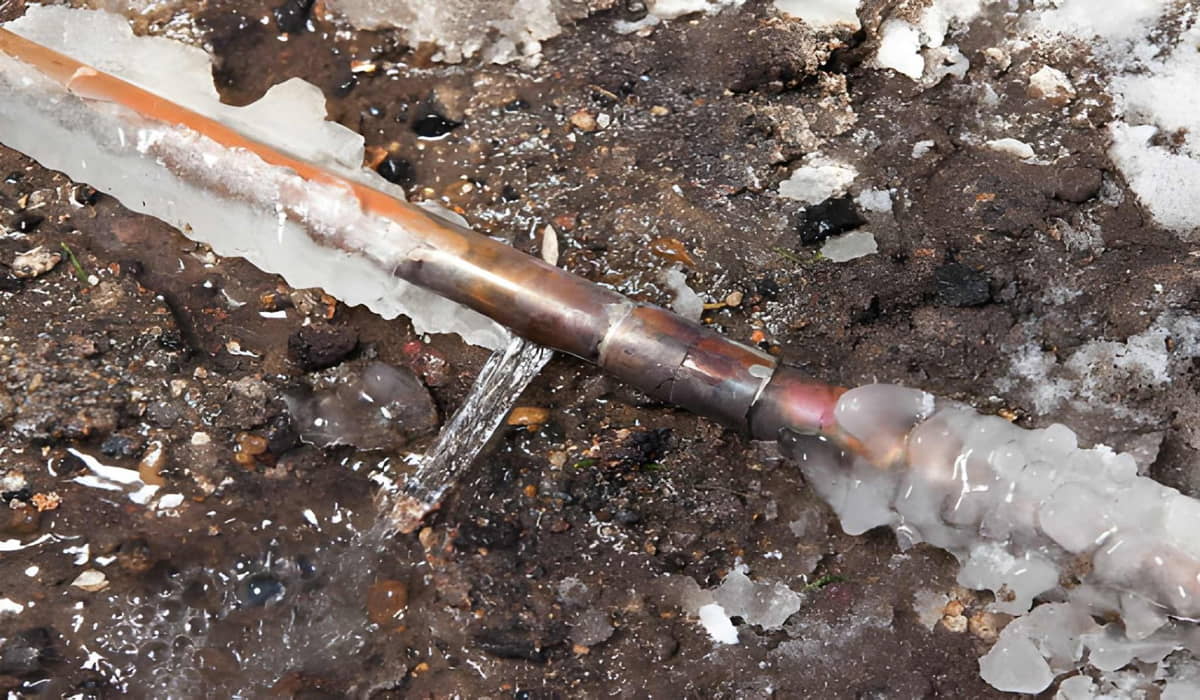
Winter can be hard on a home’s plumbing system. Falling temperatures can affect exposed water lines, outdoor faucets, drains, water heaters, and pipes located in poorly insulated parts of the house.
Some winter plumbing problems are minor, such as a slow drain or a dripping faucet. Others can become expensive emergencies. A frozen water pipe, for example, can eventually burst and release a large amount of water into the home.
The most common winter plumbing issues include:
- Frozen water pipes
- Burst or cracked pipes
- Leaking outdoor faucets
- Frozen exterior plumbing
- Water heater problems
- Slow or clogged drains
- Sewer and drain issues
- Low water pressure
- Condensation and moisture problems
- Plumbing problems caused by power or heating loss
The risk is not the same in every home. Pipes located inside heated areas are generally better protected than plumbing in an unheated garage, crawl space, attic, basement, cabinet, or exterior wall. The American Red Cross identifies these areas as common locations for frozen pipes.
Understanding where winter affects plumbing and what symptoms to watch for can help homeowners address small problems before they become major repairs.
Why Does Winter Cause Plumbing Problems?
Cold weather affects plumbing mainly by changing the temperature around water-filled pipes and plumbing components.
Water expands when it freezes. When water inside a pipe freezes, the expansion creates pressure within the plumbing system. That pressure can contribute to pipe failure, particularly when the pipe is exposed to prolonged freezing conditions.
The pipes most at risk are usually those exposed to cold temperatures or located in areas without adequate heating or insulation.
Common vulnerable locations include:
- Exterior walls
- Garages
- Attics
- Crawl spaces
- Basements
- Under kitchen cabinets
- Under bathroom cabinets
- Outdoor water lines
- Outdoor faucets
- Irrigation or sprinkler supply lines
The problem is not limited to the coldest part of the pipe. Ice can form inside a section of plumbing and restrict water movement while pressure builds elsewhere in the line.
This is why a frozen pipe should be treated as a potential plumbing emergency rather than simply an inconvenience.
1. Frozen Water Pipes
Frozen pipes are one of the best-known winter plumbing problems.
A pipe may freeze when the surrounding temperature falls low enough for the water inside it to turn into ice. Pipes exposed to cold air or located in poorly insulated areas are especially vulnerable.
Signs of a Frozen Pipe
Common warning signs include:
- Little or no water coming from a faucet
- Only a small trickle of water
- Sudden loss of water pressure
- Frost or ice visible on an exposed pipe
- Unusual noises when opening a faucet
- Water coming from one fixture but not another
The Red Cross recommends suspecting a frozen pipe when a faucet produces only a trickle during very cold weather.
Where Do Pipes Usually Freeze?
Look at areas where plumbing is exposed to cold air.
These can include:
- Exterior walls
- Unheated garages
- Crawl spaces
- Attics
- Basements
- Cabinets against exterior walls
Outdoor hose connections and supply lines are also vulnerable.
2. Burst Water Pipes
A frozen pipe can become a much larger problem when the plumbing fails.
When water freezes, it expands and can place significant pressure on the pipe. If the pipe cracks or breaks, the damage may not become obvious until the frozen section begins to thaw and water starts moving through the damaged area.
A burst pipe can cause:
- Water damage to walls
- Wet flooring
- Ceiling damage
- Mold and moisture problems
- Damaged insulation
- Damaged cabinets
- Structural damage
- Loss of water service
This is why winter pipe protection is generally much easier and less expensive than dealing with a burst pipe afterward.
What to Do If a Pipe Bursts
If you discover a significant plumbing leak:
- Shut off the home’s main water supply if it is safe to do so.
- Turn off the appropriate water-heating equipment according to the manufacturer’s instructions when necessary.
- Move valuables away from the affected area if possible.
- Remove standing water if it can be done safely.
- Contact a qualified plumber.
If water is near electrical equipment or outlets, avoid entering the affected area until it is safe.
3. Leaking Outdoor Faucets and Hose Bibs
Outdoor faucets are particularly exposed to winter temperatures.
A hose that remains connected can trap water in the plumbing. If the water freezes, expansion can place stress on the faucet or connected pipe.
Before freezing weather arrives, disconnect outdoor hoses and drain exposed outdoor plumbing where appropriate.
The American Red Cross recommends removing, draining, and storing outdoor hoses and closing interior valves supplying outdoor hose bibs where the plumbing system is designed for that arrangement.
Signs of an Outdoor Faucet Problem
Look for:
- Dripping after the faucet is turned off
- Cracks in the faucet body
- Water leaking around the connection
- Reduced water pressure
- Water appearing inside the wall or basement after the outdoor faucet is used
A damaged outdoor faucet may look like a small problem but can allow water to enter areas that are difficult to inspect.
4. Frozen Exterior Plumbing
Not all winter plumbing problems involve the main water lines inside the house.
Exterior plumbing can include:
- Outdoor faucets
- Irrigation lines
- Sprinkler supply lines
- Pool supply plumbing
- Exposed water lines
These components have greater exposure to outdoor temperatures.
The Red Cross specifically identifies outdoor hose bibs, swimming pool supply lines, and water sprinkler lines among the plumbing most vulnerable to freezing.
Winterizing these systems before severe cold arrives can reduce the chance of freezing-related damage.
5. Water Heater Problems
Winter can also reveal weaknesses in the water-heating system.
During colder weather, households may use more hot water for showers, bathing, cleaning, and other activities. A water heater that was already struggling may become more noticeable when demand increases.
Common symptoms include:
- Not enough hot water
- Water taking longer to heat
- Temperature fluctuations
- Strange noises
- Leaks
- Higher energy consumption
- Complete loss of hot water
A water heater problem does not necessarily mean the entire unit needs replacement.
A faulty thermostat, heating element, burner component, valve, or another repairable part may be responsible.
However, an older water heater with repeated failures, corrosion, or a leaking tank may need replacement rather than another repair.
DOE guidance notes that water-heating equipment can account for a significant portion of household energy use, making equipment condition and efficiency relevant when evaluating an aging water heater.
6. Slow Drains
Winter itself does not necessarily create a clogged drain, but seasonal conditions and household behavior can contribute to drainage problems.
During winter, people may spend more time indoors, which can increase the amount of material entering household drains.
Common causes include:
- Hair
- Soap residue
- Grease
- Food particles
- Mineral buildup
- Foreign objects
- Existing buildup inside the drain line
A drain that already has restricted flow may become more noticeable during periods of increased household use.
Signs of a Slow Drain
Watch for:
- Water draining slowly
- Standing water around a shower drain
- A sink taking longer to empty
- Gurgling sounds
- Recurring backups
- Unpleasant drain odors
Do not ignore a slow drain if the problem keeps returning.
Repeated slow drainage can indicate buildup deeper inside the plumbing system rather than a simple blockage near the drain opening.
7. Clogged Drains and Plumbing Backups
A complete blockage can cause water to back up into sinks, showers, tubs, or other fixtures.
The location of the backup provides useful information.
If only one sink is affected, the blockage may be local.
If multiple fixtures begin draining slowly or backing up at the same time, the problem may be farther down the drain system.
A whole-house backup should be treated more seriously because it can indicate a larger drain or sewer-line problem.
Avoid repeatedly adding chemical drain cleaners when the underlying problem is unknown. A professional inspection may be more appropriate for recurring or widespread backups.
8. Sewer Line Problems
Winter conditions can expose weaknesses in underground or exterior sewer infrastructure.
A damaged or partially blocked sewer line can produce:
- Slow drainage throughout the house
- Repeated backups
- Sewer odors
- Gurgling toilets
- Water backing up into lower fixtures
- Wet or unusually soft areas near underground plumbing
Not every sewer problem is caused by cold weather. Existing tree-root intrusion, damaged pipes, blockages, settling, and other conditions can occur year-round.
Winter may simply make an existing problem more noticeable.
If several drains are affected at once, the problem should be investigated at the system level rather than treating each fixture as a separate clog.
9. Low Water Pressure
Some homeowners notice changes in water pressure during winter.
Low pressure can have many causes, so it should not automatically be blamed on cold weather.
Possible causes include:
- Frozen or partially frozen pipes
- A damaged water line
- Plumbing leaks
- A partially closed valve
- Sediment or mineral buildup
- Problems with the municipal supply
- Pressure-regulating equipment
If only one faucet has low pressure, the problem may be limited to that fixture.
If water pressure drops throughout the house, investigate the main supply and plumbing system.
A sudden and severe pressure change deserves more attention than a gradual change at a single fixture.
10. Leaking Pipes
Cold temperatures can expose weak points in plumbing.
A pipe may already have corrosion, a poor connection, a damaged fitting, or another weakness before winter arrives.
Temperature changes can then contribute to leakage.
Watch for:
- Damp walls
- Wet cabinets
- Water stains
- Dripping sounds
- Musty odors
- Puddles under plumbing
- Unexpected increases in water use
A hidden leak can cause substantial damage before it becomes visible.
If you notice unexplained moisture, investigate the source rather than simply drying the affected surface.
11. Condensation on Pipes
Not every water-related plumbing problem is a leak.
Condensation can form when warm, moist air contacts a cold pipe surface.
This can cause:
- Water droplets on pipes
- Damp cabinets
- Moisture under sinks
- Mildew or musty odors
Pipe insulation can help reduce condensation on exposed plumbing.
The Department of Energy notes that insulating accessible hot and cold water pipes can reduce heat loss and help protect pipes from freezing.
However, persistent moisture should still be investigated to make sure it is not coming from a plumbing leak.
12. Frozen or Damaged Water Supply Lines
The water supply lines entering a home can be vulnerable when they pass through cold or poorly protected areas.
A frozen supply line can cause:
- Reduced water flow
- Little or no water at fixtures
- Pressure changes
- Potential pipe damage
If the home’s water suddenly stops during severe cold, check whether the issue affects the entire house or only certain fixtures.
If only one area has no water, a localized frozen pipe may be involved.
If the entire property has no water, the issue could also involve the main supply or an external utility problem.
13. Plumbing Problems After a Power Outage
A winter power outage can create additional plumbing concerns.
If the home’s heating system stops operating, indoor temperatures can fall.
As the house becomes colder, plumbing located in vulnerable areas can become exposed to freezing temperatures.
This is particularly important when a property is left unattended.
The Department of Energy’s winter safety guidance notes that draining pipes can help protect them from freezing or bursting when power is lost, or a home will be unoccupied for an extended period.
The exact procedure depends on the home’s plumbing system, water heater, and heating setup.
Where Are Pipes Most Vulnerable in Winter?
Not every pipe has the same freezing risk.
Pay particular attention to plumbing located in:
Exterior walls
Pipes installed against poorly insulated exterior walls can be exposed to lower temperatures.
Garages
Garages may be substantially colder than the living areas of a home.
Attics
Water lines in attics can be exposed to very low temperatures.
Basements and crawl spaces
Unheated or poorly insulated areas can expose pipes to freezing conditions.
Kitchen and bathroom cabinets
Pipes beneath sinks can become colder when cabinets are against exterior walls or when warm household air cannot reach them.
The Red Cross specifically recommends checking these types of locations when preparing plumbing for freezing weather.
How to Prevent Common Winter Plumbing Problems
Winter plumbing maintenance is mostly about reducing exposure to freezing temperatures and identifying weaknesses before they become emergencies.
Insulate Exposed Pipes
Insulation helps reduce heat loss from plumbing and can provide additional protection against freezing.
Pay attention to accessible pipes in:
- Basements
- Crawl spaces
- Garages
- Attics
- Cabinets
- Other unheated areas
The Department of Energy recommends insulating accessible hot and cold water pipes and notes that pipe insulation can also help protect plumbing from freezing.
Disconnect Outdoor Hoses
Remove garden hoses before freezing weather.
Drain them and store them appropriately.
If your plumbing system has interior shutoff valves for outdoor hose bibs, use them according to the system’s design and drain the exterior section where appropriate.
Protect Outdoor Faucets
Inspect outdoor faucets before winter.
Look for:
- Cracks
- Drips
- Loose connections
- Damaged components
A small repair before freezing weather can prevent a larger problem later.
Keep Cold Air Away From Vulnerable Plumbing
Keep garage doors closed when water lines are present.
Make sure vulnerable areas receive adequate heat and insulation.
The Red Cross also recommends opening kitchen and bathroom cabinet doors during severe cold when appropriate so warmer household air can circulate around exposed plumbing.
Keep the Home Heated
If a home becomes extremely cold, vulnerable plumbing becomes more likely to freeze.
When leaving a property during cold weather, maintaining indoor heat can help protect pipes.
The Red Cross recommends leaving the heat on and setting the thermostat to at least 55°F when away during cold weather.
Let Water Drip During Severe Cold
For vulnerable pipes, a small flow of water can help reduce the chance of freezing.
The Red Cross recommends allowing cold water to drip from faucets served by exposed pipes during very cold conditions.
This is not necessary for every faucet during ordinary winter weather. It is a precaution for vulnerable plumbing during severe cold.
What Should You Do If a Pipe Freezes?
If you turn on a faucet and only a trickle comes out during freezing weather, a frozen pipe may be the cause.
Start by keeping the faucet open.
If you can safely identify the frozen section, gradual warming can help thaw the pipe.
The Red Cross recommends using safe heat sources such as an electric heating pad or hair dryer and specifically warns against using an open flame, blowtorch, kerosene heater, propane heater, or charcoal stove to thaw plumbing.
Do not use an open flame to thaw a frozen pipe.
If the frozen section cannot be located, is inaccessible, or cannot be safely thawed, contact a licensed plumber.
Once water begins flowing again, inspect the plumbing carefully for leaks because a damaged section may become apparent as the ice melts.
What Winter Plumbing Problems Require a Plumber?
Some plumbing problems can be handled with basic maintenance, but certain situations should be professionally inspected.
Call a plumber when:
- A pipe has burst
- A water line is leaking heavily
- You cannot locate a frozen pipe
- A frozen pipe cannot be safely thawed
- Several fixtures are backing up
- The sewer line may be blocked
- Water pressure suddenly drops throughout the home
- A water heater is leaking
- Gas-fired water-heater components are involved
- You suspect a hidden plumbing leak
- The same plumbing problem keeps returning
The goal is not simply to restore water temporarily. It is to identify the cause and prevent the same failure from happening again.
Winter Plumbing Problems: Quick Reference
| Winter Problem | Common Warning Sign | Main Concern |
|---|---|---|
| Frozen pipe | Little or no water | Pipe damage |
| Burst pipe | Sudden water leak | Water damage |
| Frozen outdoor line | No outdoor water flow | Pipe/faucet damage |
| Leaking faucet | Continuous dripping | Water waste/damage |
| Water heater issue | No or insufficient hot water | Loss of hot-water service |
| Slow drain | Water drains slowly | Developing blockage |
| Drain backup | Water returns into fixture | Larger blockage |
| Sewer problem | Multiple drains affected | Main drain/sewer issue |
| Low pressure | Weak water flow | Supply or plumbing problem |
| Condensation | Water droplets on pipes | Moisture damage |
| Hidden leak | Damp wall or cabinet | Property damage |
| Frozen supply line | Sudden loss of water | Pipe damage |
The Most Important Winter Plumbing Warning Signs
Homeowners should pay attention to changes rather than waiting for a complete plumbing failure.
The most important warning signs include:
- A faucet suddenly produces only a trickle
- Water pressure changes unexpectedly
- A pipe develops frost or ice
- A water heater starts leaking
- Hot water becomes inconsistent
- A drain repeatedly slows down
- Multiple drains back up
- Water appears under cabinets
- Walls or ceilings develop unexplained stains
- A basement or crawl space becomes unusually wet
- You hear unusual water sounds when no fixture is running
- A previously reliable outdoor faucet starts leaking
A small symptom can sometimes be the first sign of a much larger problem.
Final Thoughts
Winter plumbing problems are largely connected to cold temperatures, exposed plumbing, freezing water, increased household demand, and existing weaknesses in the plumbing system.
The biggest concern is frozen water inside vulnerable pipes. Because water expands when it freezes, a frozen section can create enough pressure to damage plumbing and eventually contribute to a burst pipe.
Pay particular attention to plumbing in garages, attics, crawl spaces, basements, exterior walls, and cabinets around sinks.
If a pipe freezes, avoid dangerous methods such as an open flame. If a pipe bursts, a water heater leaks, several drains back up, or you cannot safely identify the problem, professional plumbing service is the safer option.
Winter maintenance may seem like a small task compared with a burst pipe or major water leak, but protecting vulnerable plumbing before freezing conditions arrive can prevent a much larger repair later.