


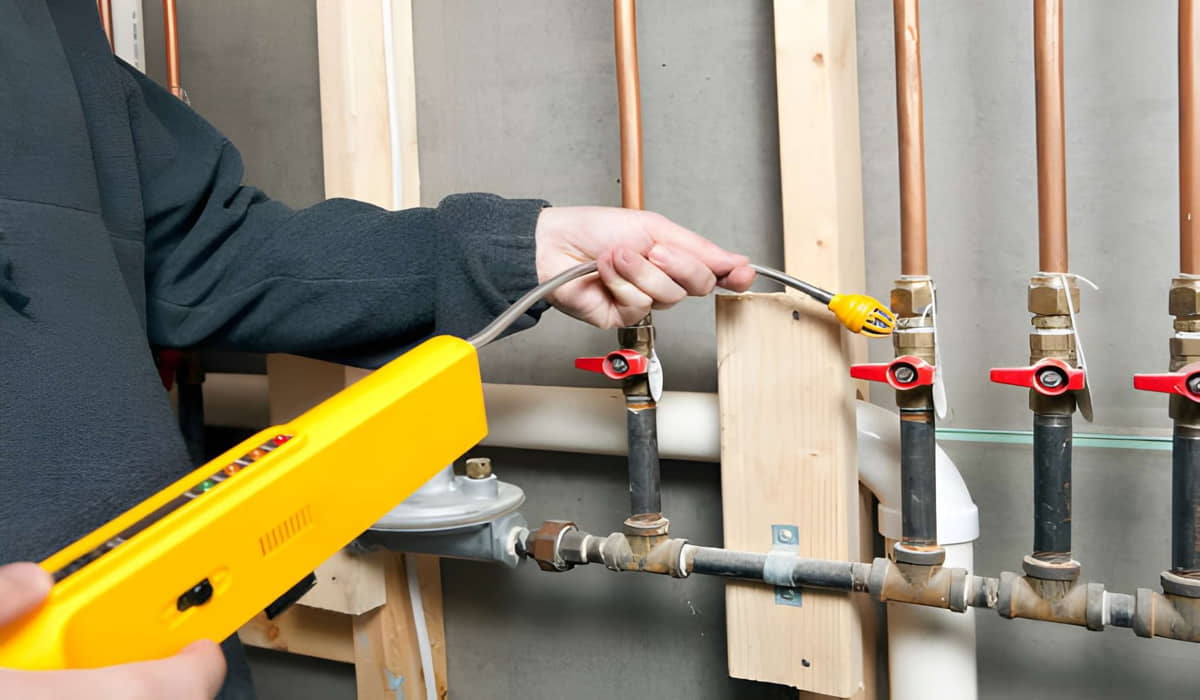
Gas pipes are one of the most important systems in your home. They safely deliver natural gas or propane to appliances such as stoves, water heaters, furnaces, fireplaces, and dryers. Because they carry flammable gas, even a small issue should never be ignored.
The good news is that not every gas pipe problem requires a complete replacement. In many cases, a professional plumber or licensed gas technician can repair the affected section, restoring the system safely and saving you the cost of replacing the entire gas line.
In this guide, we’ll explain the common signs that your gas pipe may only need a repair, when replacement becomes necessary, and why professional inspection is essential.
Quick Answer
A gas pipe may only need repair, not replacement, if the problem is limited to a small leak, a loose connection, a damaged fitting, minor corrosion, or a single affected section of pipe. If the rest of the gas line is in good condition, repairing the damaged area is often the safest and most cost-effective solution.
How Do Gas Pipes Become Damaged?
Gas piping is built to last for many years, but like any plumbing system, it can develop problems over time.
Common causes include:
- Aging pipe materials
- Corrosion
- Accidental impact during renovations
- Loose fittings
- Poor installation
- Ground movement
- Normal wear and tear
Fortunately, many of these issues can be repaired without replacing the entire system.
Signs Your Gas Pipe May Only Need a Repair
Some warning signs indicate a localized issue rather than a complete system failure.
Minor Gas Leak Around One Connection
One of the most common repair situations involves a leak around a fitting or threaded connection.
If the leak is isolated to one joint while the rest of the gas line remains in good condition, replacing the fitting or resealing the connection is often enough.
Only a licensed professional should confirm the exact source of the leak.
One Appliance Is Having Problems
If only one gas appliance isn’t operating properly while others function normally, the issue may be limited to the gas supply line serving that appliance.
Examples include:
- Gas stove is not receiving enough fuel
- Fireplace ignition problems
- Water heater operating inconsistently
A technician may only need to repair the branch line rather than replace the home’s entire gas piping system.
Loose or Damaged Pipe Fittings
Gas lines contain numerous fittings, valves, and connectors.
Over time, vibration, temperature changes, or normal aging can loosen these components.
Replacing a damaged fitting is often much simpler than replacing an entire gas pipe.
Small Areas of Surface Corrosion
Finding a small amount of surface rust doesn’t automatically mean the entire gas line has failed.
If corrosion is limited to one accessible section and hasn’t weakened the pipe significantly, targeted repairs may be possible.
However, deeper corrosion should always be evaluated by a qualified professional.
Physical Damage to One Section
Home renovations occasionally result in accidental damage.
Examples include:
- Drilling into nearby walls
- Impact from heavy equipment
- Construction accidents
If only one section of pipe has been damaged, replacing that portion is usually sufficient.
Gas Pressure Drops at One Appliance
Low gas pressure doesn’t always indicate complete pipe failure.
Sometimes the cause is:
- Partial blockage
- Damaged connector
- Faulty shut-off valve
- Localized pipe issue
A professional inspection can determine whether repairing one component solves the problem.
Signs the Entire Gas Line Probably Doesn’t Need Replacement
Many homeowners assume any gas issue requires a complete replacement.
In reality, repair is often possible when:
- The gas line is relatively new.
- The damage is isolated.
- Corrosion is minimal.
- Most fittings remain secure.
- Pressure tests show the remaining system is sound.
- There are no multiple leak locations.
These situations often allow technicians to perform targeted repairs instead of major replacements.
When Does a Gas Pipe Need Replacement Instead?
While repairs are common, some situations require replacing larger portions, or even the entire gas line.
Extensive Corrosion
If rust has weakened multiple sections of piping, repairs may only provide temporary relief.
Replacement becomes the safer long-term solution.
Multiple Gas Leaks
Several leaks throughout the system usually indicate widespread deterioration.
Repairing each leak individually often isn’t practical.
Aging Gas Lines
Very old gas piping may no longer meet current safety standards.
Replacement may improve both safety and reliability.
Major Structural Damage
Ground movement, severe impact, or foundation settling can damage large sections of underground or exposed gas piping.
In these cases, replacement may be unavoidable.
Why Professional Inspection Matters
Gas systems should never be diagnosed based on guesswork.
Licensed professionals use specialized equipment to:
- Locate leaks accurately
- Perform pressure testing
- Inspect fittings
- Evaluate corrosion
- Determine whether repairs are safe
This prevents unnecessary replacements while ensuring your home remains safe.
Never Ignore These Warning Signs
Some symptoms require immediate attention.
Contact a licensed gas professional immediately if you notice:
Smell of Gas
Natural gas is treated with a sulfur-like odor similar to rotten eggs.
Never ignore this smell.
Hissing Sounds
A hissing noise near a gas pipe may indicate escaping gas.
Dead Vegetation
Dead grass or plants above underground gas lines can signal a leak.
Unexplained High Gas Bills
A hidden leak may increase gas consumption.
Headaches or Dizziness
Gas leaks can create dangerous indoor conditions.
If you suspect a gas leak:
- Leave the building immediately.
- Avoid using electrical switches.
- Do not light matches or cigarettes.
- Contact your gas utility and emergency services from a safe location.
Can You Repair a Gas Pipe Yourself?
No.
Gas line repairs should never be treated as a DIY project.
Improper repairs can lead to:
- Gas leaks
- Fire hazards
- Explosions
- Carbon monoxide risks
- Serious injuries
Licensed professionals have the training, permits, and testing equipment required to complete repairs safely.
How to Keep Gas Pipes in Good Condition
Preventive maintenance helps reduce the likelihood of future problems.
Schedule Regular Inspections
Periodic inspections can identify minor issues before they become major repairs.
Protect Exposed Pipes
Avoid accidental impacts during landscaping or remodeling projects.
Address Small Problems Early
Ignoring minor leaks can eventually require full replacement.
Know the Location of Your Gas Shut-Off Valve
Every homeowner should know how to shut off the gas supply during an emergency.
Frequently Asked Questions
Can a leaking gas pipe be repaired?
Yes. If the leak is isolated and the rest of the gas line is in good condition, professional repairs are often possible.
Does surface rust mean my gas pipe needs replacing?
Not necessarily. Minor surface corrosion may only require repair, but deeper corrosion should be professionally evaluated.
Can one damaged section be replaced?
Yes. In many cases, technicians replace only the affected portion rather than the entire gas line.
How do professionals determine whether repair or replacement is needed?
They perform leak detection, pressure testing, visual inspections, and evaluate the condition of the entire gas piping system.
Is repairing a gas pipe cheaper than replacing it?
Generally, yes. Localized repairs are often significantly less expensive than replacing an entire gas line, provided the overall system remains in good condition.
Final Thoughts
A gas pipe problem doesn’t automatically mean you’ll need a complete replacement. In many homes, issues such as minor leaks, loose fittings, localized corrosion, or damage to a single section can often be repaired safely by a licensed professional.
The key is early detection. Ignoring warning signs can allow small issues to develop into larger, more expensive, and potentially dangerous problems. If you notice unusual gas odors, pressure changes, or suspect a leak, don’t wait, have your gas line inspected immediately.
A qualified professional can determine whether a simple repair is all that’s needed or whether replacement is the safest long-term solution. Either way, addressing the issue promptly helps protect your home, your family, and your peace of mind.