


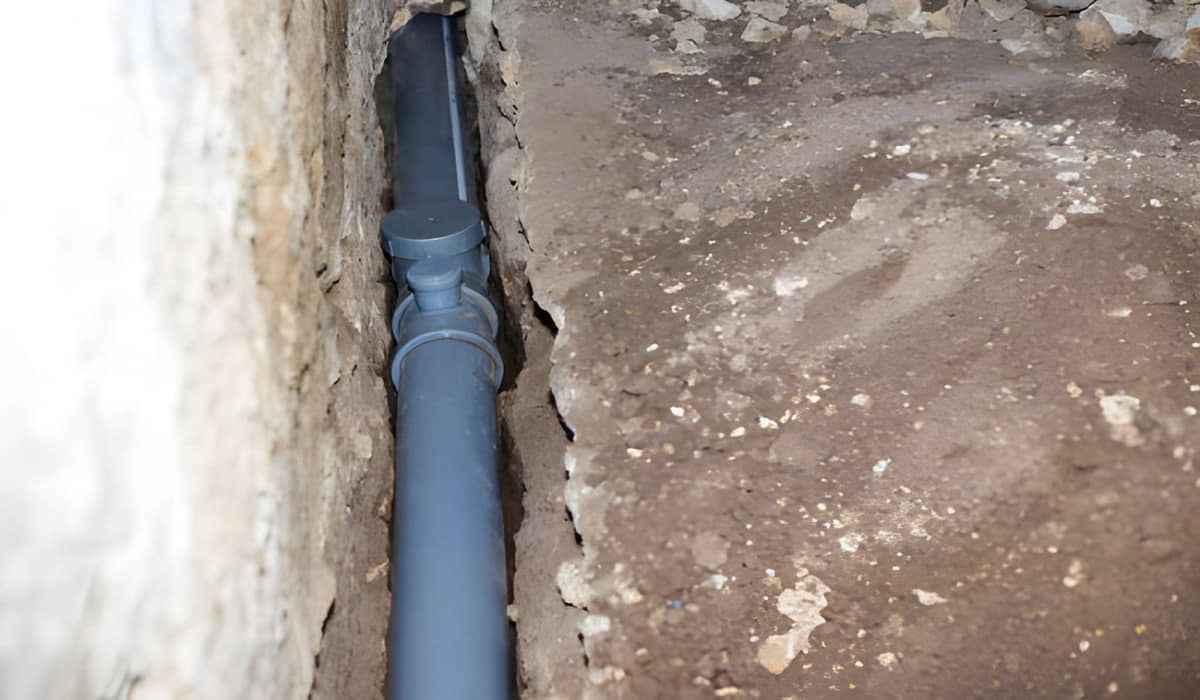
A sewer line inspection is one of the best ways to understand what is happening inside an underground sewer pipe without digging up your yard, driveway, or floor. A professional usually uses a waterproof camera to travel through the sewer line and record its condition.
The camera can reveal problems such as tree root intrusion, cracks, broken sections, blockages, pipe separation, leaks, and other defects. CCTV inspection is widely used because it creates a visual record of the inside of the pipe and helps identify the location of specific problems.
Whether you are dealing with repeated drain backups, buying an older home, or planning a sewer repair, a sewer camera inspection can give you much more information than a basic drain cleaning.
What Is a Sewer Line Inspection?
A sewer line inspection is a diagnostic service used to examine the inside of a sewer pipe. Instead of excavating the ground to find a problem, a plumber or sewer specialist inserts a small camera into an accessible point in the drainage system.
The camera sends live video to a monitor while it moves through the pipe. The technician can watch the pipe walls, identify defects, measure the distance to a problem, and determine where the sewer line runs.
Modern CCTV systems can also provide a recorded inspection that can be reviewed later. Depending on the equipment, cameras may pan, tilt, and zoom to provide a better view of the pipe interior.
This makes sewer camera inspection particularly useful when the problem is underground and its exact location is unknown.
Why Do You Need a Sewer Line Inspection?
Not every sewer problem is visible from inside your home. You may notice a slow drain or sewage backup, but those symptoms do not always tell you what is causing the problem.
A camera inspection can help answer important questions:
- Where is the blockage?
- Is the pipe cracked or broken?
- Are tree roots growing inside the line?
- Has part of the pipe collapsed?
- Are pipe joints separated?
- Is the sewer line sagging?
- Where does the sewer line run?
- Does the pipe need cleaning, repair, or replacement?
The EPA notes that CCTV inspection can identify conditions including sediment, debris, roots, pipe sags, offset joints, cracks, leaks, and service connections.
This information can prevent unnecessary excavation and help a professional recommend the appropriate repair.
Signs You May Need a Sewer Camera Inspection
You do not have to wait for a major sewage backup before inspecting your sewer line. Certain warning signs can indicate that the underground pipe needs further investigation.
Frequent Drain Backups
If multiple drains repeatedly back up even after cleaning, the problem may be farther down the main sewer line rather than inside one fixture.
Slow Drains Throughout the House
One slow sink may have a local drain problem. Several slow fixtures at the same time can point toward a larger drainage issue.
Recurring Sewer Blockages
If you regularly need drain cleaning but the blockage keeps returning, a camera inspection can help identify the underlying cause.
Unusual Sewer Odors
Persistent sewage smells around your property or inside the house may indicate a drainage or sewer problem that needs professional investigation.
Wet or Soggy Areas in the Yard
Unexpectedly wet areas, standing water, or changes in the ground above a sewer route may deserve investigation. Surface conditions can sometimes provide clues about underground sewer problems.
Older Sewer Pipes
Older properties may have aging sewer infrastructure. If you are unsure about the condition or material of the existing sewer line, an inspection can provide useful information before a serious failure occurs.
Before Buying an Older Home
A sewer line is an expensive component to repair or replace because much of it is underground. A camera inspection before purchasing a property can help identify problems that may not be obvious during a normal home inspection.
How Does a Sewer Line Inspection Work?
The exact process depends on the property’s plumbing layout and the condition of the sewer line, but a typical inspection follows several steps.
1. Initial Assessment
The technician first discusses the symptoms and checks accessible plumbing fixtures, cleanouts, and other relevant points.
The goal is to understand where the problem may be located and determine the best access point for the camera.
2. Locate an Access Point
The camera needs an entry point into the sewer system. This may be a sewer cleanout or another suitable access point.
The technician may also use a locator to determine where the camera is positioned underground.
3. Clean the Line if Necessary
Heavy grease, sludge, roots, or other debris can prevent the camera from seeing the pipe clearly or moving through it.
For this reason, sewer cleaning may be necessary before a detailed camera inspection. EPA guidance also notes that sewer lines often need to be cleaned before CCTV inspection.
4. Insert the Camera
A waterproof camera attached to a flexible push rod or other carrier is introduced into the sewer pipe.
The technician slowly moves the camera through the line while watching the video feed.
5. Examine the Pipe
The technician looks for visible defects and obstructions such as:
- Tree roots
- Cracks
- Broken pipe
- Blockages
- Sediment
- Debris
- Offset joints
- Pipe deformation
- Leaks
- Sagging sections
- Other structural defects
CCTV technology is designed to provide a visual record of the pipe’s internal condition.
6. Measure and Locate Problems
Many inspection systems track how far the camera has traveled. This helps the technician estimate the location of a defect.
A locator can also help determine where the underground problem is positioned from the surface.
7. Record the Inspection
A professional inspection should normally produce useful documentation, such as video footage, observations, measurements, or a written report.
Keeping the inspection record can be helpful if repairs are needed later or if you are comparing repair options.
What Can a Sewer Camera Find?
One of the biggest advantages of camera inspection is that it can reveal problems that are difficult to diagnose from the surface.
Tree Root Intrusion
Tree roots can enter sewer pipes through joints, cracks, or other openings. Once inside, roots can restrict water flow and contribute to recurring blockages.
Cracked Pipes
Cameras can reveal cracks along the interior of the pipe. The location and severity of the visible damage help determine the next step.
Broken or Collapsed Pipes
A severely damaged section may restrict or completely stop the camera. A collapse can also explain repeated backups or drainage problems.
Offset or Separated Joints
Pipe sections can shift over time, creating an uneven connection. CCTV can help identify these areas.
Grease, Sediment, and Debris
Accumulated material can reduce the usable opening inside a sewer line. The camera can show how much of the pipe is affected.
Leaking Sections
Visible water movement or other signs may indicate leakage or infiltration around damaged areas. CCTV is particularly useful for locating suspected defects inside the pipe.
Can a Sewer Camera Inspection Find Everything?
No. A camera inspection is highly useful, but it has limitations.
CCTV primarily shows the inside surface of the pipe. It cannot provide a complete picture of everything outside the pipe, such as the surrounding soil or every structural condition beneath the waterline. EPA documentation also notes that CCTV cannot identify certain hidden conditions, including some defects that have not yet appeared on the pipe’s interior surface.
Water level, debris, poor visibility, pipe size, and camera access can also affect the quality of an inspection.
This is why the technician’s experience and interpretation are important. A video alone does not always tell the complete story.
How Long Does a Sewer Line Inspection Take?
The inspection time depends on the length and condition of the sewer line, the accessibility of the cleanout, whether cleaning is required, and whether the camera encounters an obstruction.
A straightforward residential inspection can often be completed relatively quickly, while complicated systems may take longer.
If the camera cannot pass a blockage or damaged section, the technician may need to approach the pipe from another access point.
How Much Does a Sewer Line Inspection Cost?
There is no single price for every sewer camera inspection.
The cost can depend on:
- Property location
- Length of the sewer line
- Accessibility
- Pipe condition
- Camera equipment
- Cleaning requirements
- Locating equipment
- Reporting requirements
- Additional diagnostic work
Large municipal sewer systems may calculate inspection costs by linear footage, while residential plumbing companies commonly price a service based on the property’s specific circumstances.
For this reason, it is better to request a written estimate before the inspection rather than relying on a general online price.
Sewer Inspection vs Sewer Cleaning
These services are related but serve different purposes.
Sewer cleaning focuses on removing blockages and buildup from the pipe.
Sewer inspection focuses on determining the condition and identifying problems inside the pipe.
For example, if a drain is blocked, cleaning may restore flow. But if the same blockage returns several times, a camera inspection can help determine why.
In some cases, cleaning is performed first so the camera can obtain a clearer view of the pipe.
Do You Need a Professional for Sewer Line Inspection?
For a basic visual check, homeowners can sometimes inspect accessible plumbing components themselves. However, a proper underground sewer inspection usually requires specialized equipment and experience.
A professional can:
- Access the sewer line safely
- Operate the inspection camera
- Locate underground defects
- Measure the camera distance
- Interpret what appears on the video
- Identify likely repair areas
- Recommend appropriate next steps
Sewer systems can also involve hazardous conditions, so homeowners should not enter sewer lines or confined spaces themselves.
What Should You Ask Before Hiring a Sewer Inspection Company?
Before booking an inspection, ask a few simple questions.
Will I Receive the Video?
Ask whether the company provides a copy of the inspection footage.
Do You Locate the Problem?
A useful inspection should not only identify a defect but also help determine where it is located.
Is Sewer Cleaning Included?
Ask whether cleaning is included in the quoted price or charged separately.
Will You Provide a Written Report?
A written report can make it easier to understand what the technician found.
What Happens if the Camera Cannot Pass?
Ask how the company handles blockages, collapsed sections, or inaccessible areas.
Can You Explain the Repair Options?
If a problem is found, ask the technician to explain whether cleaning, spot repair, trenchless repair, or full replacement may be appropriate.
When Should You Schedule a Sewer Line Inspection?
A sewer inspection can be useful when you have recurring drainage problems, are buying an older property, are planning major landscaping or construction near the sewer route, or are considering an expensive sewer repair.
It can also be valuable before replacing a sewer line. Knowing the actual condition and location of the damaged section may help prevent unnecessary excavation.
Final Thoughts
A sewer line inspection gives homeowners a clearer picture of an underground plumbing system without immediately digging up the property. A professional camera can identify many common problems, including roots, cracks, blockages, leaks, offset joints, and damaged sections.
The most important benefit is not simply seeing the inside of the pipe. It is using that information to make a better repair decision.
If your sewer problems keep returning, a camera inspection can help determine whether you are dealing with a simple blockage or a deeper problem with the sewer line itself. And if major excavation or replacement is being recommended, getting a documented inspection first can provide valuable information before work begins.