


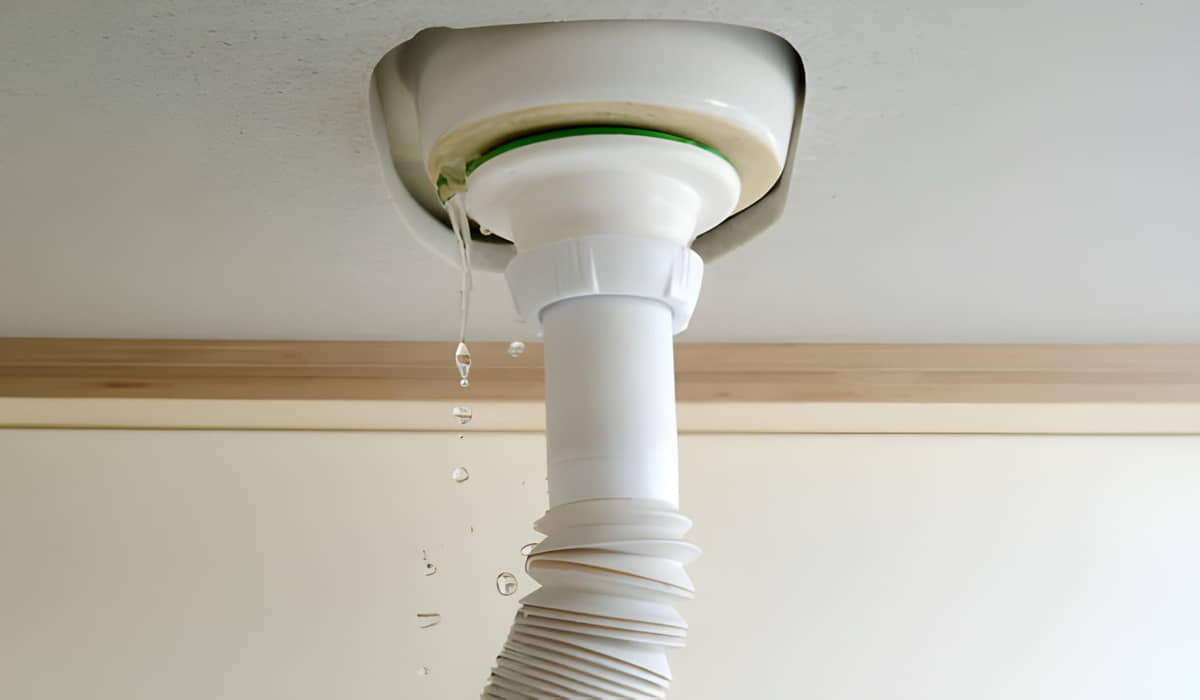
A leaking pipe under the sink can quickly turn from a small annoyance into a costly plumbing problem. Water dripping from the pipes can damage the cabinet, flooring, and nearby walls if it is left untreated. Fortunately, some minor leaks can be fixed with basic tools and a little patience.
The first step is to identify exactly where the water is coming from. A leak may occur around a drain connection, supply line, P-trap, shutoff valve, or pipe joint. Once you locate the source, you can determine whether tightening a connection is enough or whether a damaged component needs to be replaced.
If the leak is severe, water is spraying under pressure, or you cannot identify the source, it is safer to shut off the water and contact a professional plumber.
Turn Off the Water First
Before working under the sink, protect the area from further water damage.
Place a bucket or container underneath the leaking pipe and keep some towels nearby. If the leak is coming from a water supply line, close the shutoff valve located underneath the sink by turning it clockwise.
If you cannot stop the water using the local shutoff valve, turn off the home’s main water supply.
Once the water is off, open the faucet briefly to release pressure from the line.
Find the Source of the Leak
Dry the pipes and connections with a towel. Then turn the water back on briefly if necessary and watch carefully for the first place where water appears.
Common leak locations include:
- P-trap connections
- Drain pipe joints
- Faucet supply lines
- Shutoff valves
- Compression fittings
- Flexible hoses
- Corroded or cracked pipes
Finding the exact source is important because water can travel along the pipe and make the leak appear to come from somewhere else.
Check the P-Trap
The P-trap is the curved section of pipe underneath the sink. It holds a small amount of water that helps prevent sewer gases from entering the home.
If water is leaking around the P-trap, check the connections at both ends.
Many P-trap connections use slip nuts that can be tightened by hand. Try tightening the connection gently. Avoid using excessive force because plastic fittings can crack.
If the connection continues to leak, the washer inside the joint may be damaged or incorrectly positioned.
Replace a Damaged P-Trap Washer
If tightening the connection doesn’t stop the leak, place a bucket underneath the P-trap and loosen the connection.
Remove the old washer and inspect it for:
- Cracks
- Warping
- Hardening
- Damage
Take the old washer to a hardware or plumbing supply store to find a matching replacement.
Install the new washer in the correct position and reconnect the pipe. Tighten the connection firmly by hand and then test for leaks.
Check the Supply Lines
If water is coming from one of the flexible hoses connected to the faucet, the problem may be with the supply line or its connection.
Inspect the hose for visible damage, corrosion, bulging, or cracks.
If the connection is loose, gently tighten it. If the hose itself is damaged, replacing the entire supply line is usually a better solution than attempting to repair it.
Never ignore a supply-line leak because these lines can release water under pressure and cause significant damage quickly.
Inspect the Shutoff Valve
The shutoff valve under the sink controls the water supply to the faucet.
Leaks can develop around the valve body, handle, or connection to the supply pipe.
If tightening an accessible connection does not stop the leak, the valve itself may need replacement.
Because replacing a shutoff valve can involve working with the home’s water supply, homeowners who are uncomfortable with the repair should contact a licensed plumber.
Check for a Cracked Pipe
Sometimes the problem isn’t a loose connection but a damaged pipe.
Look for:
- Visible cracks
- Corrosion
- Rust
- Splits
- Small holes
- Water stains
Plastic drain pipes can crack if they have been overtightened or physically damaged. Older metal pipes can develop corrosion and eventually weaken.
A cracked section generally needs to be replaced rather than simply tightened.
Don’t Rely on Plumbing Tape for Every Leak
Plumbing tape, often called PTFE tape, can be useful on certain threaded pipe connections. However, it is not a universal solution.
It should not be used as a substitute for a damaged washer, cracked pipe, or faulty compression fitting.
Using tape incorrectly can actually make a connection leak worse.
If the fitting requires a gasket or washer, replacing the damaged sealing component is usually the appropriate repair.
Clean the Area Before Testing
Once you’ve completed the repair, wipe the pipes and cabinet completely dry.
Then slowly turn the water back on.
Run the faucet for several minutes while watching every connection underneath the sink.
Also check for leaks while:
- Running cold water
- Running hot water
- Draining the sink
- Filling the sink slightly and releasing the water
A drain leak may only appear when water is flowing through the drain system.
What If the Leak Happens Only When the Sink Drains?
If the pipe remains dry while the faucet is running but leaks when the sink drains, the problem is likely somewhere in the drain system.
Possible causes include:
- Loose P-trap connection
- Damaged drain washer
- Loose sink drain connection
- Cracked drain pipe
- Blocked or damaged drainage components
Run water through the sink while observing the entire drain assembly. This can help identify the exact connection causing the problem.
When Should You Call a Plumber?
Not every under-sink leak is a good DIY project.
Contact a professional plumber if:
- Water continues leaking after tightening connections
- A pipe is cracked or severely corroded
- The shutoff valve won’t close
- Water is spraying under pressure
- The leak is inside a wall or cabinet
- You notice significant water damage
- You cannot identify the source
- The repair requires major pipe replacement
A professional can diagnose the underlying problem and prevent a minor leak from becoming a larger plumbing emergency.
How to Prevent Future Sink Leaks
Regular inspection can help you catch problems before they cause serious damage.
Every few months, check underneath your sink for:
- Damp cabinet surfaces
- Water stains
- Rust
- Corrosion
- Loose connections
- Dripping valves
- Damaged hoses
Avoid storing heavy objects against plumbing connections, as they can put unnecessary pressure on pipes.
It’s also a good idea to avoid using excessive force when tightening plastic fittings. Over-tightening can damage the connection instead of fixing it.
How Much Does It Cost to Fix a Leaking Pipe?
The cost depends on what is causing the leak.
A simple DIY repair may only require the cost of a replacement washer, fitting, or supply line. Professional repairs can cost more depending on labor, materials, accessibility, and the complexity of the plumbing problem.
A small leak is generally much cheaper to address than the water damage that can result from ignoring it.
Frequently Asked Questions
Can I fix a leaking sink pipe myself?
Yes, minor leaks caused by loose connections or worn washers can sometimes be repaired by homeowners. More serious leaks may require a professional plumber.
Why is my P-trap leaking?
A P-trap can leak because of a loose connection, damaged washer, cracked pipe, or corrosion.
Should I use plumber’s tape on a leaking pipe?
Only when appropriate for the specific threaded connection. Plumber’s tape will not repair cracked pipes or damaged washers.
How do I stop a pipe from leaking temporarily?
Turn off the water supply to prevent further damage. A temporary repair may help in some situations, but damaged pipes and fittings should be properly repaired or replaced as soon as possible.
What should I do if the leak won’t stop?
Shut off the water supply and contact a professional plumber, especially if water is leaking under pressure or causing significant damage.
Final Thoughts
A leaking pipe under the sink should never be ignored. Even a slow drip can damage cabinets, flooring, and surrounding materials over time.
Start by shutting off the water, drying the area, and identifying the exact source of the leak. Loose connections and worn washers can sometimes be handled with simple repairs, while cracked pipes, damaged valves, and serious corrosion usually require replacement.
If you’re unsure about the cause or the leak continues after a basic repair, calling a professional plumber is the safest option. Fixing the problem correctly the first time can prevent water damage and more expensive plumbing repairs later.