


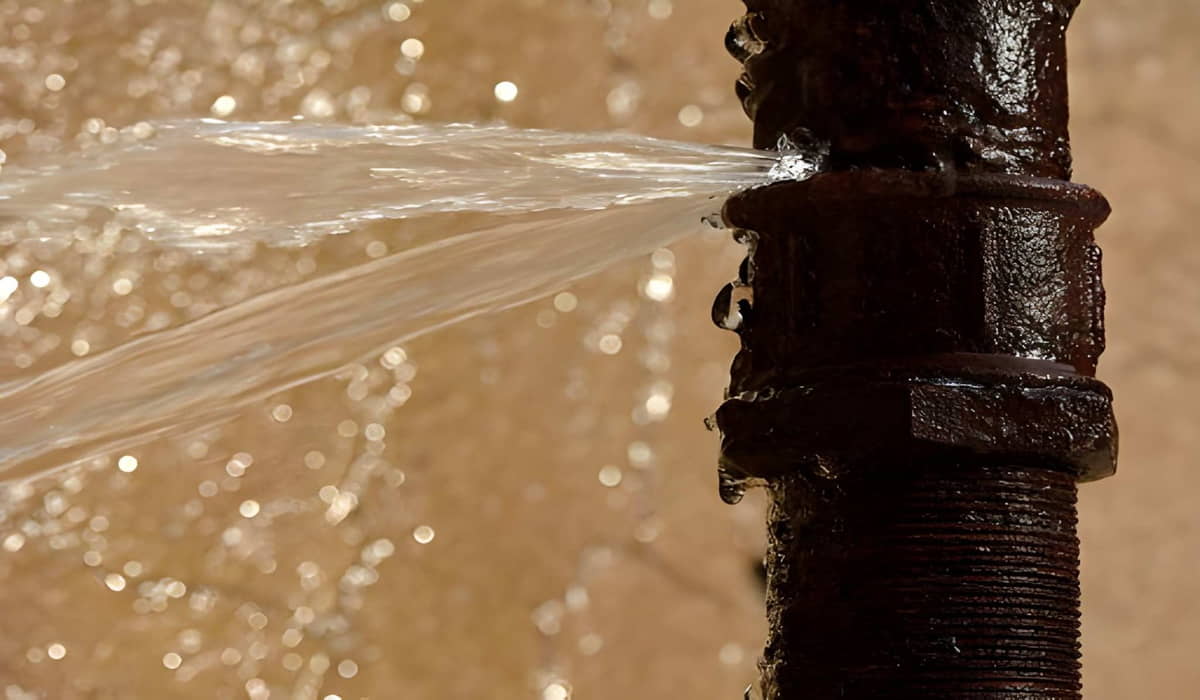
A burst pipe or major water leak is every homeowner’s nightmare. Within minutes, water can spread across floors, soak drywall, damage furniture, ruin electronics, and even weaken your home’s structure. The longer water continues flowing, the more expensive the repairs become.
The good news is that the first few minutes after discovering a burst pipe are the most important. Taking the right steps before your plumber arrives can significantly reduce water damage and protect your home.
In this guide, we’ll explain exactly what to do during a plumbing emergency, what mistakes to avoid, and how to minimize damage until professional help arrives.
Quick Answer
If you discover a burst pipe or major water leak, turn off your home’s main water supply immediately, switch off electricity if water is near electrical outlets or appliances, drain the remaining water from your pipes, protect your belongings, and contact an emergency plumber as soon as possible. Acting quickly can prevent thousands of dollars in water damage.
How to Tell If You Have a Burst Pipe
Not every leak is caused by a burst pipe, but some warning signs usually indicate a serious plumbing emergency.
Common signs include:
- Water pouring from a wall, ceiling, or floor
- Sudden drop in water pressure
- Large puddles forming quickly
- Damp walls or ceilings
- Water stains spreading rapidly
- Unusual hissing or rushing water sounds
- Unexpectedly high water bills
If you notice any of these signs, assume it’s a major plumbing issue until proven otherwise.
Step 1: Turn Off the Main Water Supply Immediately
This is the most important step.
The longer water continues flowing, the more damage it causes.
Locate your home’s main shut-off valve and turn it off completely. In most homes, the valve is located:
Inside the Home
- Basement
- Utility room
- Garage
- Near the water heater
Outside the Home
- Near the water meter
- Along an exterior wall
- Underground meter box
Every homeowner should know this location before an emergency happens.
Step 2: Turn Off Electricity if Necessary
Water and electricity are an extremely dangerous combination.
If water is approaching:
- Electrical outlets
- Breaker panels
- Appliances
- Extension cords
turn off power to the affected area only if it is safe to do so.
Never stand in standing water while operating electrical switches.
If you cannot safely reach the electrical panel, wait for emergency professionals.
Step 3: Drain the Remaining Water
Even after shutting off the main supply, water remains inside your plumbing system.
To reduce pressure and minimize leaking:
Open Cold Water Faucets
Start with the lowest faucet in the house.
This helps drain remaining water.
Flush Toilets
This removes water from toilet supply lines.
Open Outdoor Hose Bibs
If available, these can also help empty the system.
Step 4: Stop the Water From Spreading
Every minute matters.
Use whatever you have available to contain the leak.
Examples include:
- Buckets
- Towels
- Mops
- Wet vacuums
- Plastic containers
If water is dripping from a ceiling, placing a bucket underneath can reduce floor damage until repairs begin.
Step 5: Protect Your Belongings
Move valuable items away from the affected area.
Prioritize:
- Electronics
- Furniture
- Important documents
- Family photographs
- Rugs
- Clothing
If possible, place aluminum foil or wooden blocks under furniture legs to reduce water absorption.
Step 6: Relieve Pressure in the Pipes
Opening several faucets after shutting off the main valve helps release remaining water pressure.
This reduces:
- Continued leaking
- Additional pipe stress
- Water trapped inside the plumbing
Leave faucets open until repairs are complete.
Step 7: Take Photos of the Damage
Before cleanup begins, document everything.
Take clear pictures of:
- The leak
- Water damage
- Damaged belongings
- Wet flooring
- Walls
- Ceilings
These photos can be extremely helpful if you need to file an insurance claim.
Step 8: Call an Emergency Plumber
Once you’ve controlled the immediate situation, contact a licensed emergency plumber.
Provide details such as:
Describe the Problem
Explain where the leak started.
Mention Water Shut-Off Status
Let them know you’ve already closed the main valve.
Describe Visible Damage
Mention flooding, ceiling leaks, or damaged fixtures.
Accurate information helps plumbers prepare the right tools and replacement parts before arriving.
Temporary Fixes While Waiting
Temporary repairs are not permanent solutions, but they can slow water loss.
Pipe Repair Clamps
These can temporarily seal small cracks.
Rubber Patch and Hose Clamp
A piece of rubber secured with a hose clamp may reduce leaking.
Epoxy Putty
Some plumbing epoxies temporarily seal small pipe holes.
Remember, these are emergency measures only.
Professional repairs are still necessary.
What NOT to Do
Many homeowners unintentionally make the situation worse.
Avoid these mistakes.
Don’t Ignore a Small Leak
A minor leak can quickly become a burst pipe.
Don’t Use Electrical Appliances Near Water
This creates a serious shock hazard.
Don’t Break Open Walls Yourself
Unless absolutely necessary, wait for a professional diagnosis.
Don’t Turn the Water Back On
Wait until repairs are completed.
Don’t Delay Calling a Plumber
Water damage becomes more severe with every passing minute.
Common Causes of Burst Pipes
Understanding what causes pipe failures can help prevent future emergencies.
Freezing Temperatures
Water expands when frozen, increasing pressure inside pipes.
Aging Pipes
Older plumbing materials weaken over time.
Corrosion
Rust gradually eats away at pipe walls.
High Water Pressure
Excessive pressure stresses plumbing joints and fittings.
Tree Root Intrusion
Roots can damage underground water lines.
Poor Installation
Improper pipe installation often leads to premature failures.
How Much Damage Can a Burst Pipe Cause?
Many homeowners underestimate how quickly water spreads.
Within minutes, water can:
- Soak drywall
- Damage hardwood flooring
- Ruin carpets
- Destroy insulation
- Warp cabinets
- Damage furniture
If left unattended for several hours, mold growth can begin within 24 to 48 hours under the right conditions.
How to Prevent Burst Pipes
Preventive maintenance is always less expensive than emergency repairs.
Insulate Exposed Pipes
Especially in unheated spaces.
Repair Small Leaks Early
Don’t wait for them to worsen.
Monitor Water Pressure
Excessively high pressure shortens pipe life.
Schedule Plumbing Inspections
Older homes benefit from regular professional evaluations.
Know Your Main Shut-Off Valve
Every family member should know its location.
Frequently Asked Questions
Should I shut off the water if only one pipe leaks?
Yes. If the leak is significant or you cannot isolate the affected fixture, shutting off the main water supply is the safest option.
Is a burst pipe considered an emergency?
Absolutely. Burst pipes can cause extensive property damage within a very short time.
Can I repair a burst pipe myself?
Temporary fixes may reduce leaking, but permanent repairs should be completed by a qualified plumber.
Will homeowners’ insurance cover burst pipe damage?
Coverage depends on your insurance policy and the cause of the damage. Sudden accidental pipe failures are often covered, while damage resulting from neglected maintenance may not be.
How long can I leave the water turned off?
You can leave the main water supply off until repairs are completed. This is often the safest approach during a plumbing emergency.
Final Thoughts
A burst pipe or major water leak can feel overwhelming, but knowing what to do before your plumber arrives can make a significant difference. The priority is always to stop the water flow, protect your family, minimize property damage, and contact a licensed emergency plumber immediately.
Quick action during the first few minutes can save flooring, walls, furniture, and thousands of dollars in repair costs. While temporary measures may help control the situation, they should never replace a professional repair.
The best emergency plan starts long before a pipe bursts. Knowing where your main water shut-off valve is located, keeping emergency contact numbers handy, and maintaining your plumbing system regularly can help you respond confidently when every second counts.