


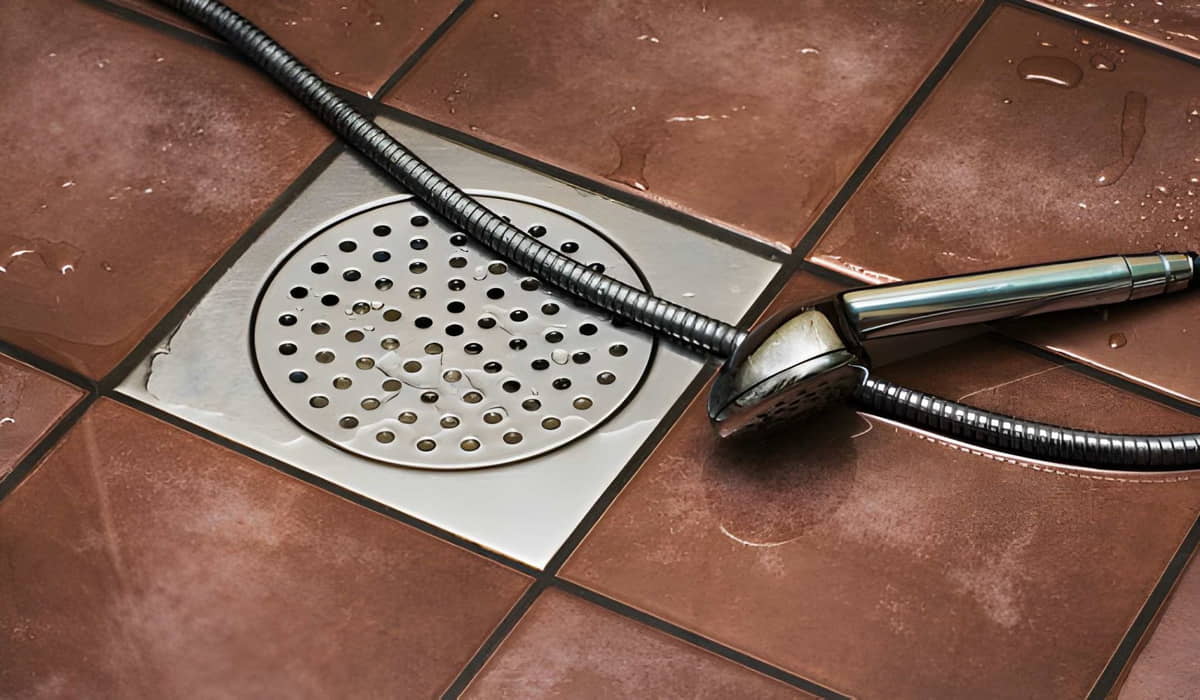
Regular floor drain maintenance helps prevent clogs, bad smells, water backup, and expensive plumbing problems. Simple habits like cleaning debris, flushing the drain with hot water, and checking for slow drainage can keep your floor drains working properly for a long time.
Why Floor Drain Maintenance Matters
Floor drains are easy to ignore because they usually stay out of sight. Most people only notice them when water starts backing up or bad odors appear.
The problem is that floor drains collect:
- Dirt
- Hair
- Grease
- Soap residue
- Dust and debris
Over time, this buildup can block water flow and create serious drainage issues.
A neglected floor drain can eventually lead to:
- Water pooling
- Flooding
- Sewer smells
- Mold growth
- Pipe damage
Regular maintenance helps avoid these problems before they become expensive repairs.
Clean the Drain Cover Regularly
One of the simplest but most important maintenance steps is cleaning the drain cover.
Floor drain covers often trap:
- Hair
- Dust
- Food particles
- Dirt buildup
If the cover becomes blocked, water drains much slower.
Remove the cover regularly and clean away visible debris. Even a quick cleaning every few weeks can improve drainage performance significantly.
Flush the Drain With Hot Water
Hot water helps loosen soap scum, grease, and light buildup inside the pipe.
Pouring hot water down the drain occasionally can help keep the line cleaner and reduce odor buildup.
For areas like:
- Laundry rooms
- Kitchens
- Basements
this becomes especially important because these drains usually collect more residue.
Avoid pouring boiling water into older PVC plumbing systems repeatedly, as extreme heat can sometimes damage aging pipes.
Prevent Hair and Debris From Entering the Drain
A large percentage of floor drain clogs happen because too much debris enters the system.
Simple drain screens or strainers can help stop:
- Hair
- Dirt
- Small particles
- Food debris
from going into the pipe.
This small preventive step reduces blockage risk significantly.
Watch for Slow Drainage
Slow drainage is usually an early warning sign.
If water:
- Drains slowly
- Pools around the drain
- Makes gurgling sounds
there may already be buildup forming inside the pipe.
Ignoring slow drainage often leads to complete blockages later.
From real plumbing experience, small drainage problems are much easier and cheaper to fix early.
Eliminate Bad Drain Smells
Bad smells coming from floor drains are common, especially in drains that are rarely used.
This often happens because:
- The water trap dries out
- Bacteria buildup forms inside the drain
- Debris starts decomposing
One simple solution is pouring water into unused drains occasionally to keep the trap filled.
You can also use mild cleaning solutions designed for drains to reduce odor-causing buildup.
Avoid Pouring Grease or Chemicals Into Drains
Many people damage floor drains without realizing it.
Grease, oils, and harsh chemicals can create serious buildup inside pipes over time.
Grease may look liquid when hot, but it hardens as it cools and sticks to pipe walls.
Harsh chemical cleaners can also damage older plumbing systems if used too often.
Safer maintenance methods usually work better long-term than aggressive chemical treatments.
Check Basement Floor Drains Before Rainy Seasons
Basement floor drains are especially important because they help remove excess water during heavy rain or plumbing emergencies.
Before rainy seasons:
- Check for clogs
- Test drainage flow
- Remove visible debris
A blocked basement drain during heavy rainfall can quickly lead to flooding and water damage.
Schedule Professional Cleaning When Needed
Some floor drain issues go deeper than surface buildup.
If you notice:
- Frequent clogs
- Persistent odors
- Repeated backups
- Water returning from the drain
it may be time for professional drain cleaning.
Professional plumbers can inspect the line properly and remove buildup deeper inside the system.
Simple Maintenance Saves Expensive Repairs
Most major drain problems start small.
Regular maintenance helps:
- Prevent emergency plumbing issues
- Extend pipe lifespan
- Improve drainage performance
- Reduce repair costs
A few minutes of routine cleaning can save homeowners from major plumbing headaches later.
Final Thoughts
Floor drains play an important role in protecting your home from water and drainage problems, but they are often ignored until something goes wrong.
Simple maintenance habits like:
- Cleaning debris
- Flushing drains
- Watching for slow drainage
- Preventing buildup
can keep your plumbing system working smoothly for years.
The best time to maintain a floor drain is before problems start, not after water begins backing up into your home.