


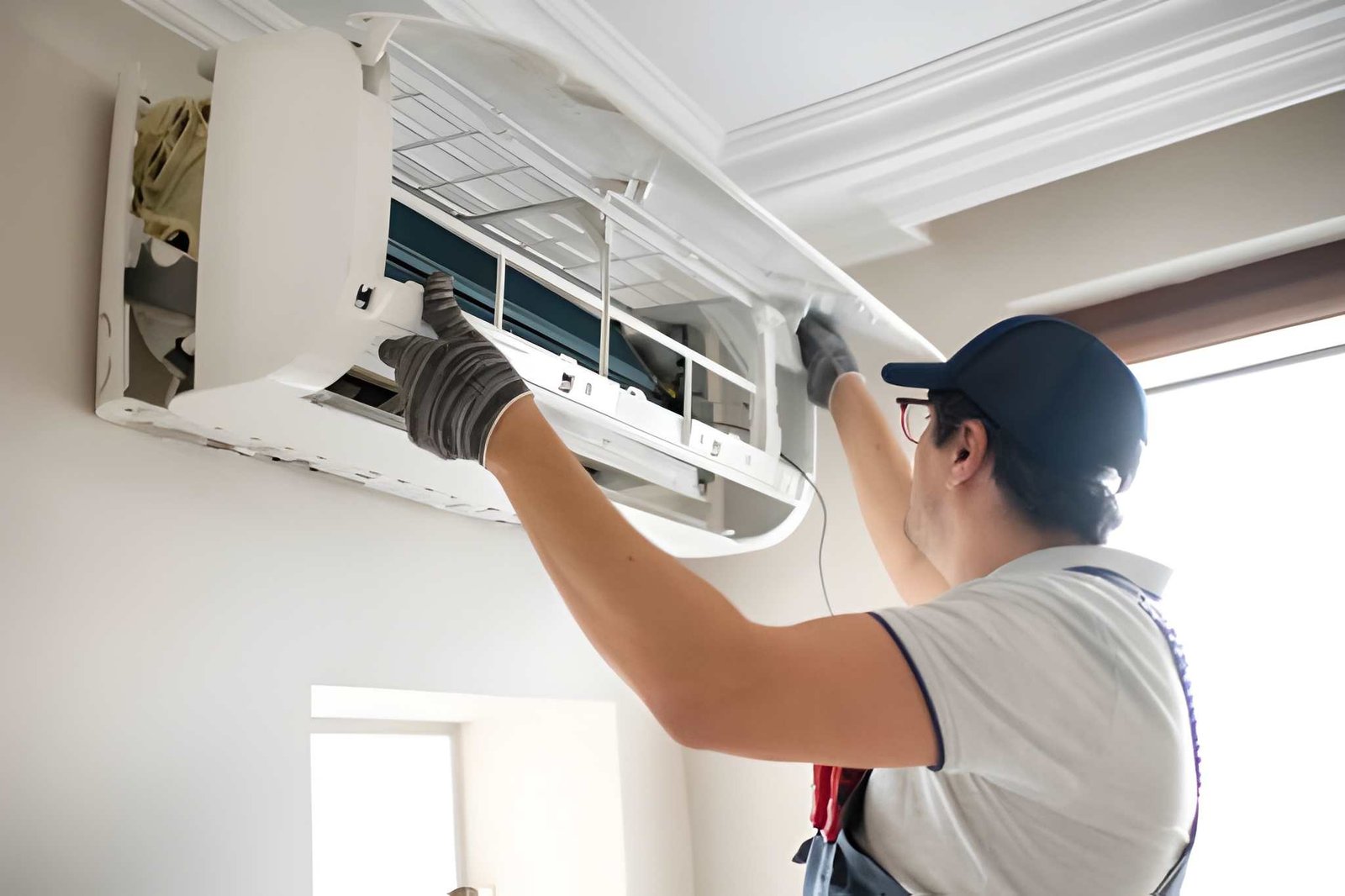
If your air conditioner is running but not cooling properly, it can be frustrating especially in hot weather. Many people think the AC is completely broken, but in most cases, the problem is simple and fixable.
Your AC may still be working, but something is stopping it from cooling efficiently. This guide explains the most common reasons why your AC is not cooling and what you can do before calling a technician.
Dirty Air Filter Is Blocking Airflow
One of the most common reasons is a dirty air filter. Over time, dust and dirt block the filter and stop proper airflow.
When airflow is blocked:
• Cool air cannot circulate
• The AC works harder
• Cooling becomes weak
This is easy to fix. Check your air filter and clean or replace it. Experts recommend cleaning it every 2–4 weeks, especially in dusty areas.
Low Refrigerant (Gas) Level
Refrigerant is the gas that cools the air inside your AC. If the level is low, the AC cannot produce cold air.
Signs of low gas include:
• AC blowing warm or normal air
• Ice forming on pipes
• Hissing or leakage sound
Low refrigerant usually means there is a leak. You should not refill gas without fixing the leak first. A professional technician is needed for this issue.
Thermostat Settings Are Incorrect
Sometimes the problem is not technical, it’s just the settings.
Check:
• Is the AC set to “Cool” mode?
• Is the temperature set lower than room temperature?
• Is the fan mode turned on instead of cooling?
If the thermostat is set incorrectly, your AC will run but not cool.
Dirty Condenser Coils (Outdoor Unit)
The outdoor unit releases heat from your room. If it is covered with dust or dirt, heat cannot escape properly.
This causes:
• Poor cooling
• Overheating
• Higher electricity bills
Outdoor units should be cleaned regularly to maintain proper performance. A blocked condenser is a very common issue in hot and dusty environments.
Frozen Evaporator Coil
If your AC is not cooling and you see ice inside the indoor unit, the evaporator coil may be frozen.
This happens due to:
• Dirty air filters
• Low refrigerant
• Poor airflow
When coils freeze, the AC stops cooling completely. Turn off the AC and let it defrost. Then fix the main cause to prevent it from happening again.
Fan Problems
Your AC has fans in both indoor and outdoor units. These fans help move air and release heat.
If a fan is not working:
• Cool air will not circulate
• Heat will not escape
• Cooling will become weak
Fan motors, blades, or wiring may need repair. This is usually a job for a technician.
Blocked or Leaking Ducts
If you use a central AC system, ducts carry cool air through your home.
Problems like:
• Air leaks
• Dust buildup
• Blocked vents
can reduce cooling efficiency.
If cool air is not reaching your rooms, duct inspection is necessary.
AC Is Too Small for Your Room
If your AC unit is too small for the room size, it will struggle to cool properly.
This leads to:
• Continuous running
• Weak cooling
• Higher energy bills
In this case, upgrading to a higher capacity AC is the best solution.
Extreme Heat Outside
During very hot days, your AC may take longer to cool the room.
If:
• Sunlight is directly hitting the room
• Doors and windows are open
• Insulation is poor
your AC has to work harder.
Simple fixes include:
• Closing curtains
• Sealing doors and windows
• Using proper insulation
Electrical or Compressor Issues
The compressor is the heart of your AC. If it is not working properly, cooling will stop.
Signs include:
• AC running but no cooling
• Strange noises
• Frequent turning on/off
Electrical faults or compressor failure require professional repair.
When Should You Call a Professional?
You can handle small issues like cleaning filters or checking settings. But you should call an AC technician if:
• Cooling is still weak after cleaning
• AC is making strange noises
• There is water leakage
• Ice is forming inside
• AC stops working completely
Delaying repairs can make the problem worse and more expensive.
How to Prevent AC Cooling Problems
Regular maintenance keeps your AC running efficiently.
Follow these simple tips:
• Clean filters regularly
• Service your AC every 3–6 months
• Keep outdoor unit clean
• Check thermostat settings
• Close doors and windows while AC is running
Preventive care saves money and avoids sudden breakdowns.
Final Thoughts
If your AC is not cooling, the problem is usually something common like a dirty filter, low gas, or blocked airflow. Many of these issues are easy to fix if caught early.
Regular maintenance and timely repairs can keep your AC working smoothly and efficiently. If the problem continues, it is always better to call a professional and fix it properly before it becomes a bigger issue.