
When your air conditioner stops cooling in the middle of summer or your heating system fails during winter, one of the first professionals you call is an HVAC contractor. But many homeowners and business owners don’t actually know what HVAC contractors do behind the scenes or how they work.
The truth is that an HVAC contractor does much more than simply fixing broken air conditioners. They design, install, maintain, troubleshoot, and optimize heating and cooling systems to ensure homes and commercial buildings remain comfortable, energy-efficient, and safe throughout the year.
Quick Answer
An HVAC contractor works by assessing your heating and cooling needs, inspecting the system, recommending the right solution, and then installing, repairing, replacing, or maintaining HVAC equipment to keep it operating efficiently.
Their job is to make sure your indoor environment stays comfortable while improving energy performance and extending the life of your equipment.
What Does HVAC Mean?
HVAC stands for:
- Heating
- Ventilation
- Air Conditioning
These three systems work together to regulate indoor temperature, airflow, humidity, and air quality.
An HVAC contractor is trained to handle all aspects of these systems, whether in residential homes, offices, retail stores, warehouses, or large commercial facilities.
The First Step: Understanding the Customer’s Needs
Every HVAC project starts with an assessment.
Before recommending any solution, a professional contractor will understand the customer’s situation.
They may ask questions such as:
- Is the system not cooling properly?
- Are certain rooms too hot or too cold?
- Has the energy bill increased recently?
- Is this a repair or a new installation?
- How old is the current system?
Understanding the problem helps determine the most effective solution instead of simply replacing parts unnecessarily.
System Inspection and Diagnosis
After gathering information, the contractor performs a detailed inspection.
This usually includes checking:
- Thermostat settings
- Air filters
- Refrigerant levels
- Electrical connections
- Ductwork condition
- Condenser and evaporator components
- Airflow performance
- System controls
For repair jobs, diagnosis is often the most important step because the visible problem may not always be the actual cause.
For example, poor cooling may result from restricted airflow rather than low refrigerant.
Recommending the Right Solution
Once the inspection is complete, the contractor explains the findings and presents available options.
Depending on the situation, they may recommend:
- A simple repair
- Preventive maintenance
- Component replacement
- Full system replacement
- Duct modifications
- Indoor air quality improvements
A reputable HVAC contractor focuses on solving the problem efficiently rather than automatically recommending the most expensive option.
HVAC Installation Process
When installing a new HVAC system, contractors follow a structured process.
Evaluating Building Requirements
Every property has different heating and cooling needs.
Factors considered include:
- Building size
- Number of rooms
- Insulation levels
- Window placement
- Occupancy levels
- Local climate conditions
Oversized and undersized systems both create problems, so proper sizing is critical.
Equipment Selection
Based on the assessment, the contractor recommends equipment that matches the property’s requirements.
This may include:
- Central air conditioning systems
- Furnaces
- Heat pumps
- Ductless mini-split systems
- Rooftop units
- Ventilation equipment
Installation
The installation process may involve:
- Removing old equipment
- Installing new units
- Connecting electrical systems
- Setting refrigerant lines
- Installing thermostats
- Testing airflow
- Verifying safety controls
After installation, the system undergoes performance testing to ensure everything operates correctly.
How HVAC Repairs Work
Repair calls are among the most common services HVAC contractors provide.
Common issues include:
- Air conditioners are not cooling
- Heating systems are failing to start
- Unusual noises
- Water leaks
- Weak airflow
- Frozen coils
- Thermostat malfunctions
The contractor diagnoses the issue, explains the repair needed, provides an estimate, and completes the work after approval.
In many cases, timely repairs prevent more serious and expensive breakdowns later.
Preventive Maintenance Services
One of the most overlooked aspects of HVAC work is routine maintenance.
Preventive maintenance helps systems operate efficiently and reduces unexpected failures.
Maintenance visits often include:
- Cleaning coils
- Replacing filters
- Checking refrigerant levels
- Inspecting electrical connections
- Testing thermostats
- Lubricating moving parts
- Checking airflow
- Inspecting safety controls
Regular servicing can significantly improve system performance and lifespan.
Why Maintenance Matters
Skipping maintenance often leads to:
- Higher utility bills
- Reduced efficiency
- More frequent breakdowns
- Shorter equipment lifespan
- Poor indoor comfort
Many homeowners only call contractors when systems fail.
However, regular inspections often identify small problems before they become major repairs.
Indoor Air Quality Services
Modern HVAC contractors also focus on indoor air quality.
Many people spend most of their time indoors, making clean air increasingly important.
Contractors may recommend:
- Air purifiers
- Humidifiers
- Dehumidifiers
- UV purification systems
- Advanced filtration solutions
- Ventilation improvements
These upgrades can improve comfort while supporting healthier indoor environments.
Commercial HVAC Contractors
Commercial HVAC work differs from residential projects.
Commercial contractors often handle:
- Office buildings
- Restaurants
- Retail spaces
- Schools
- Warehouses
- Healthcare facilities
These systems are typically larger and more complex.
Commercial contractors may manage:
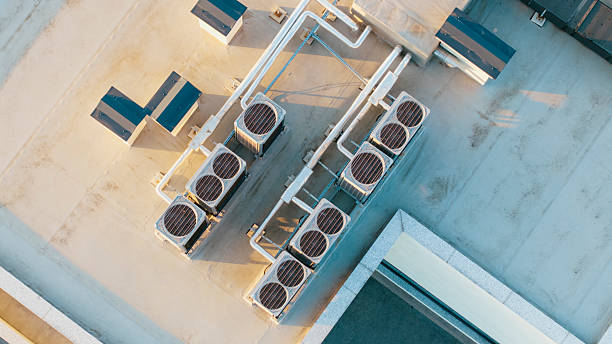
- Multiple rooftop units
- Building automation systems
- Large ventilation networks
- Scheduled maintenance contracts
Their role extends beyond comfort to maintaining business operations.
Energy Efficiency Recommendations
Experienced HVAC contractors frequently advise customers on improving efficiency.
This may include suggestions such as:
- Upgrading outdated equipment
- Installing programmable thermostats
- Improving insulation
- Sealing duct leaks
- Using higher-efficiency systems
- Scheduling routine maintenance
Energy-efficient systems reduce operating costs and improve long-term value.
What Makes a Good HVAC Contractor?
Not all contractors provide the same level of service.
Reliable HVAC professionals typically demonstrate:
- Proper licensing and certifications
- Clear communication
- Honest recommendations
- Transparent pricing
- Attention to detail
- Strong troubleshooting skills
- Commitment to safety
A trustworthy contractor prioritizes customer needs rather than pushing unnecessary upgrades.
When Should You Call an HVAC Contractor?
You should contact an HVAC contractor if you notice:
- Rising energy bills
- Uneven temperatures
- Strange odors
- Unusual noises
- Weak airflow
- Frequent cycling
- Water leakage
- Reduced comfort levels
Addressing problems early often saves money and prevents larger repairs.
Final Thoughts
An HVAC contractor plays a vital role in keeping homes and businesses comfortable throughout the year. Their work involves much more than repairing broken equipment. From designing and installing systems to diagnosing issues, performing maintenance, improving air quality, and increasing energy efficiency, they help ensure heating and cooling systems operate safely and effectively.