


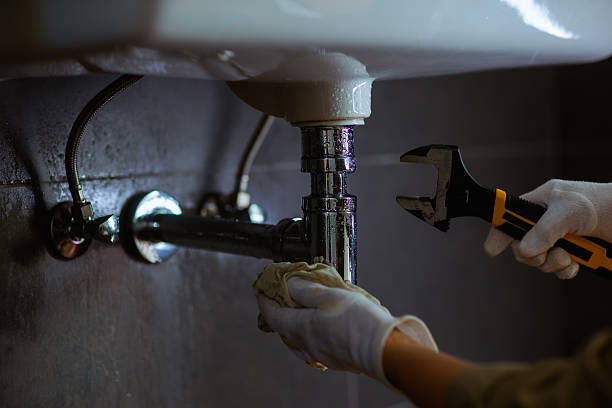
Thanks to online tutorials and quick how-to videos, many homeowners feel confident tackling plumbing problems on their own. While changing a showerhead or replacing a faucet washer can be simple enough, not every plumbing issue is a good DIY project.
From our experience, some of the most expensive plumbing repairs start with good intentions. A small leak turns into water damage, a clogged drain becomes a broken pipe, or an attempted fix leads to an emergency call in the middle of the night.
DIY plumbing can save money in certain situations, but knowing your limits is just as important as knowing how to use a wrench.
Quick Answer
The most costly plumbing DIY mistakes homeowners make include overtightening connections, using chemical drain cleaners excessively, attempting major pipe repairs without proper knowledge, ignoring small leaks, and using the wrong materials or fittings.
Many of these mistakes begin as attempts to save money but end up costing far more than hiring a professional in the first place.
Mistake #1: Ignoring a Small Leak Because “It’s Not That Bad”
This is one of the most common mistakes we see.
A dripping pipe under the sink or a slow leak behind a toilet often seems harmless. Homeowners place a bucket underneath it and tell themselves they’ll deal with it later.
Weeks turn into months.
Meanwhile, that “small leak” can lead to:
- Water damage behind walls
- Mold growth
- Cabinet deterioration
- Flooring damage
- Structural issues
What could have been a simple repair suddenly becomes a restoration project.
The reality is that water rarely fixes itself. Even minor leaks deserve prompt attention.
Mistake #2: Using Too Much Force
Many people believe tighter automatically means better.
Unfortunately, plumbing doesn’t work that way.
Overtightening fittings can crack components, strip threads, damage seals, and create leaks where none existed before.
Common examples include:
- Sink supply line connections
- Plastic fittings
- Toilet bolts
- Faucet assemblies
A properly tightened connection creates a seal. Excessive force often destroys it.
This simple mistake frequently turns a basic installation into a much larger repair.
Mistake #3: Depending on Chemical Drain Cleaners
Chemical drain cleaners promise quick results.
Pour, wait, flush, and the clog disappears.
At least that’s the marketing message.
In reality, repeated use of harsh chemicals can damage plumbing systems over time.
Potential problems include:
- Pipe corrosion
- Weakened joints
- Damage to older plumbing
- Increased risk of leaks
Some stubborn blockages also remain untouched while chemicals sit inside the pipes.
When this happens, professional drain cleaning methods are often safer and more effective.
Mistake #4: Attempting Major Pipe Repairs Without Experience
Replacing a trap under the sink is very different from cutting into supply lines hidden inside walls.
Yet many homeowners attempt large plumbing projects after watching a few online videos.
We often see DIY attempts involving:
- Pipe replacements
- Water line modifications
- Drain rerouting
- Bathroom relocations
- Hidden leak repairs
Without proper experience, small errors can create major consequences.
A misaligned connection inside a wall may leak for weeks before anyone notices.
By then, the damage is already done.
Mistake #5: Using the Wrong Materials
Not all plumbing materials work together.
This is an area where homeowners frequently run into trouble.
Examples include:
- Mixing incompatible pipe materials
- Using incorrect connectors
- Choosing the wrong sealants
- Installing improper fittings
- Using non-plumbing products for repairs
The repair may appear successful initially.
Months later, however, leaks often develop because the materials were never designed to function together.
Using the right products matters just as much as installing them correctly.
Mistake #6: Skipping the Water Shut-Off
In emergencies, panic sets in quickly.
Many homeowners begin working without identifying the main shut-off valve first.
Then something goes wrong.
Suddenly, water is spraying everywhere while they scramble to stop the flow.
Before starting any plumbing repair, always know:
- Where the main shut-off valve is located
- How to operate it
- Which local valves control individual fixtures
This simple step can prevent significant water damage if complications arise.
Mistake #7: Treating Every Clog the Same Way
Not all clogs are created equal.
A slow bathroom sink behaves differently from a main sewer line blockage.
Many homeowners repeatedly plunge, snake, or apply chemicals without understanding the root cause.
Common causes of clogs include:
- Hair buildup
- Grease accumulation
- Foreign objects
- Tree root intrusion
- Pipe deterioration
Treating the wrong problem often delays the proper solution and can worsen the situation.
Mistake #8: Ignoring Warning Signs
Plumbing systems often provide warnings before complete failure.
Unfortunately, many homeowners overlook them.
Signs that deserve attention include:
- Low water pressure
- Gurgling drains
- Slow drainage
- Water stains
- Unusual odors
- Rising water bills
- Recurring clogs
Addressing these issues early usually costs less than waiting for a major breakdown.
Small symptoms often point to larger underlying problems.
Mistake #9: Watching One Video and Assuming You’re an Expert
Online tutorials can be incredibly helpful.
They can also create false confidence.
What many videos don’t show are:
- Property-specific complications
- Code requirements
- Older plumbing conditions
- Unexpected obstacles
- Long-term performance considerations
The internet is an excellent learning tool, but it cannot replace hands-on experience gained over years of professional work.
Every home has its own plumbing challenges.
Mistake #10: Focusing Only on Saving Money
Most DIY plumbing projects begin with one goal: saving money.
There’s nothing wrong with that.
However, the cheapest option isn’t always the least expensive in the long run.
A failed repair can lead to:
- Emergency service calls
- Water damage restoration
- Mold remediation
- Fixture replacement
- Insurance complications
Sometimes hiring a professional from the beginning actually costs less overall.
The key is understanding which projects are reasonable DIY tasks and which require expert help.
What Homeowners Can Safely Handle
Not every plumbing task requires a licensed plumber.
Many homeowners can comfortably manage basic maintenance tasks such as:
- Replacing showerheads
- Installing faucet aerators
- Clearing simple sink traps
- Replacing toilet flappers
- Tightening loose handles
- Checking for visible leaks
These smaller jobs carry relatively low risk.
The problems usually begin when projects extend into areas involving hidden pipes, water supply modifications, or drainage systems.
When It’s Time to Call a Professional
Consider contacting a plumber if you encounter:
- Burst pipes
- Persistent leaks
- Sewer backups
- Water heater problems
- Major installations
- Hidden water damage
- Low water pressure is affecting multiple fixtures
- Repeated drain issues
Professional plumbers bring experience, proper tools, and diagnostic knowledge that can prevent costly mistakes.
Final Thoughts
DIY plumbing can be rewarding when the project matches your skill level. Small maintenance tasks may save time and money while helping homeowners better understand their plumbing systems.
However, some repairs carry risks that far outweigh the potential savings.
From ignoring small leaks and overtightening fittings to attempting major pipe work without proper experience, the costly plumbing DIY mistakes we see homeowners make often begin with the best intentions.
Knowing when to tackle a project yourself, and when to call a professional, can protect your home, preserve your budget, and prevent a simple repair from turning into a major plumbing emergency.