
Testing your sump pump regularly helps prevent basement flooding, water damage, mold growth, and expensive repair costs. A sump pump can fail without warning, especially after long periods of not being used. A simple test ensures it works properly before heavy rain or water buildup happens.
Why Many Homeowners Ignore Their Sump Pump
Most people only remember their sump pump when there is a flooding problem. The issue is that by the time water starts filling the basement, it is already too late to discover the pump is not working.
A sump pump is one of those systems that stays hidden and silent most of the time. Because of that, homeowners often assume everything is fine for years without checking it.
But from real plumbing experience, sump pumps can fail unexpectedly due to:
- Power issues
- Stuck float switches
- Dirt buildup
- Clogged discharge lines
- Old motor failure
And unfortunately, most failures are only discovered during storms or emergencies.
What a Sump Pump Actually Does
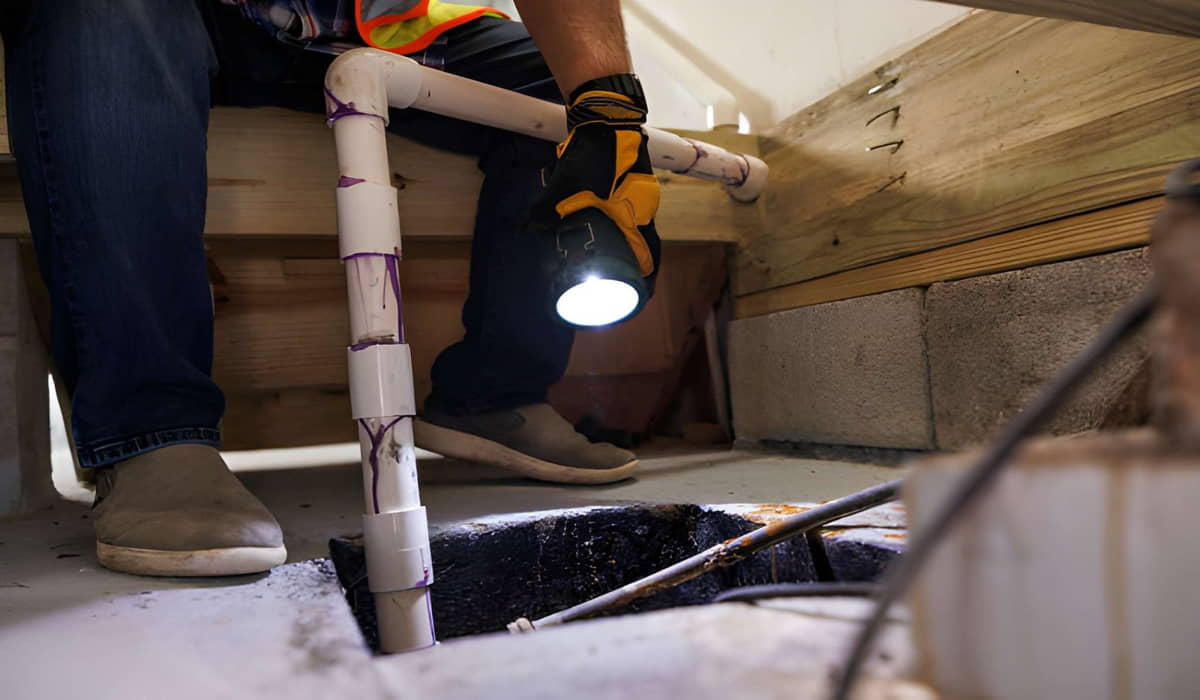
A sump pump removes excess water from the lowest part of your home, usually the basement or crawl space. It pushes water away from your property before flooding happens.
Without a working sump pump, water can:
- Damage flooring and walls
- Ruin furniture and storage items
- Create mold and mildew problems
- Weaken parts of the home structure
Even a small amount of basement flooding can lead to thousands of dollars in repairs.
Why Testing Your Sump Pump Is So Important
Testing the pump helps you identify problems before an emergency happens.
This is important because many sump pumps stay inactive for long periods. A pump that worked last year may not work today.
Regular testing helps confirm:
- The motor turns on properly
- Water drains correctly
- The float switch activates
- The discharge line is clear
This small maintenance step can prevent major water damage later.
Heavy Rain Is When Most Problems Happen
The worst time to discover a bad sump pump is during heavy rainfall.
During storms, sump pumps work harder and longer than usual. If the system has not been tested for months or years, there is a much higher chance of failure under pressure.
This is why plumbers often recommend checking the system before:
- Rainy seasons
- Storm periods
- Snow melting seasons
Preventive testing is always cheaper than emergency flood cleanup.
Signs Your Sump Pump May Have Problems
Even if the system still works, there can be warning signs that something is wrong.
Common signs include:
- Strange noises
- Constant running
- Excessive vibration
- Water not draining properly
- Musty smells near the sump pit
- Pump cycling on and off too frequently
Ignoring these signs can eventually lead to complete pump failure.
How to Test a Sump Pump
A basic sump pump test is simple.
One common method is slowly pouring water into the sump pit until the float rises and activates the pump.
When tested properly:
- The pump should turn on automatically
- Water should drain quickly
- The pump should shut off normally afterward
If the pump struggles, makes unusual sounds, or fails to activate, it may need repair or replacement.
Why Backup Systems Matter Too
Power outages are common during storms, which is exactly when sump pumps are needed most.
That is why many homeowners install:
- Battery backup sump pumps
- Water-powered backup systems
A backup system provides extra protection if the primary pump fails or electricity goes out.
Mold and Moisture Problems Can Start Quickly
Many people think flooding only causes visible water damage, but moisture problems continue long after water is removed.
A failed sump pump can create:
- Mold growth
- Bad indoor air quality
- Damp basement smells
- Hidden wall moisture
These problems can affect both the property and the health of people inside the home.
Regular Maintenance Extends Pump Life
Testing your sump pump regularly also helps extend its lifespan.
Routine checks help identify:
- Small clogs
- Worn components
- Early motor issues
Fixing minor problems early is much cheaper than replacing an entire flooded basement.
Most plumbers recommend testing the system every few months and especially before storm seasons.
Professional Inspection Can Prevent Bigger Problems
While basic homeowner testing is helpful, professional inspections can catch deeper issues such as:
- Improper installation
- Drainage problems
- Electrical concerns
- Weak pump performance
Professional plumbers can also recommend whether your current pump size is sufficient for your property.
Final Thoughts
Your sump pump is one of the most important flood-protection systems in your home, but it is also one of the most ignored.
Testing it regularly helps prevent:
- Basement flooding
- Expensive repairs
- Mold problems
- Emergency plumbing situations
A simple inspection today can save thousands of dollars and major stress later.
Most importantly, you never want to discover your sump pump failed during the exact moment you need it most.