


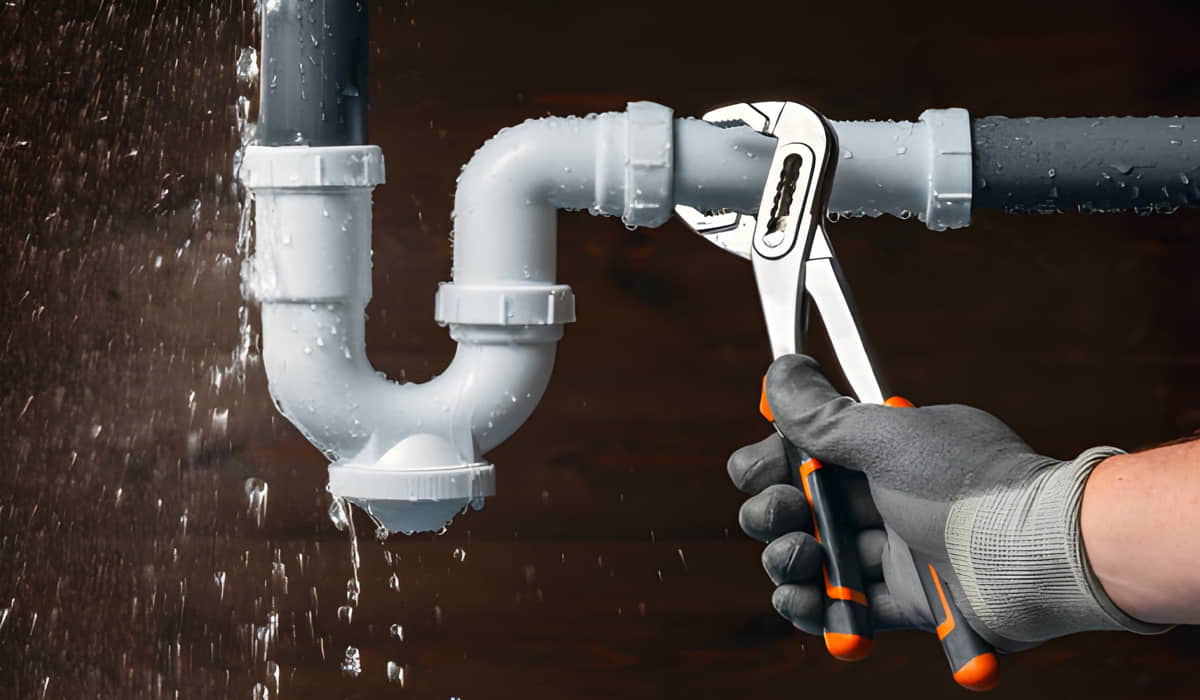
Hire a plumber immediately if you see water pooling, hear running water behind walls, notice mold growth, or can’t find the leak source. Small drips under sinks might be DIY-fixable, but anything involving main lines, multiple leaks, or structural damage needs professional help right away.
Leaky pipes are sneaky. They start small and get worse fast. Knowing when to call a plumber saves you money and prevents major damage.
Signs You Need a Plumber Now
Some leaks scream for professional help. Don’t wait if you see these red flags.
Water stains on ceilings or walls mean pipes are leaking inside. You can’t reach these without tearing up your home. A plumber has tools to find and fix hidden leaks without destroying everything.
Your water bill doubled for no reason? That’s a hidden leak somewhere. Plumbers use special equipment to track down sneaky leaks you’ll never find yourself.
Hear water running when nothing’s on? That’s water escaping somewhere. Could be in walls, under floors, or in the foundation. Time to call the pros.
When DIY Might Work
Not every leak needs a plumber. Some fixes are pretty simple if you’re handy.
A dripping faucet usually needs a new washer. You can buy these at hardware stores for a few bucks. YouTube has tons of videos showing exactly how to do it.
Loose pipe connections under sinks just need tightening. Grab a wrench and give them a turn. If that stops the drip, you’re golden.
Visible cracks in exposed pipes can get temporary fixes with pipe tape or epoxy. But here’s the thing – this is a band-aid, not a cure. Call a plumber soon to replace that section properly.
Location Matters Big Time
Where the leak happens determines if you need help.
Leaks in basements are serious business. Water down there causes mold, ruins foundations, and damages everything you store. Plumbers need to fix these fast before your basement turns into a swamp.
Kitchen and bathroom leaks under sinks? You might handle small ones. But if water’s coming from inside walls or the floor, stop right there. That’s plumber territory.
Main water line leaks are always professional jobs. These pipes bring water into your whole house. Messing with them without training causes flooding and no water for anyone.
Size and Severity Count
A few drops per minute aren’t an emergency. A steady stream definitely is.
Small leaks waste water and raise bills, but they’re not instant disasters. You’ve got time to call during business hours and maybe save on emergency fees.
Big leaks flood rooms in minutes. Shut off your main water valve immediately. Then call a plumber, even if it’s 3 AM. Water damage gets expensive incredibly fast.
Multiple leaks happening at once? Your pipes are probably old and failing. One repair won’t cut it. You need a plumber to check the whole system.
Age of Your Home Plays a Role
Old houses have old pipes. Pipes don’t last forever.
Homes built before 1970 might have galvanized steel pipes. These rust from the inside out. If you’re getting frequent leaks, the whole system might need replacing. Only plumbers can handle full pipe replacements.
Newer homes usually have copper or PEX pipes. These last longer but still leak eventually. A plumber can tell you if repairs work or if you need replacements.
What Happens If You Wait
Ignoring leaks costs way more than fixing them.
Water damage spreads. Today’s small ceiling stain becomes next month’s collapsed drywall. Mold grows in wet spots within 24 to 48 hours. Once mold starts, you’re paying for mold removal on top of pipe repairs.
Your water bill keeps climbing. Even tiny leaks waste thousands of gallons yearly. That’s money literally going down the drain.
Structural damage sneaks up on you. Water weakens wood, rusts metal, and cracks concrete. Fixing foundation damage costs thousands more than fixing a pipe.
The Smart Move
When in doubt, call a plumber for an inspection. Most charge reasonable fees just to look and give you honest advice. They’ll tell you if it’s something you can handle or if they need to step in.
A good plumber saves you headaches and money long-term. Your home is your biggest investment. Protect it by knowing when to ask for help.
Don’t play hero with pipes you don’t understand. Some repairs are weekend projects. Others need trained professionals with proper tools and licenses.