


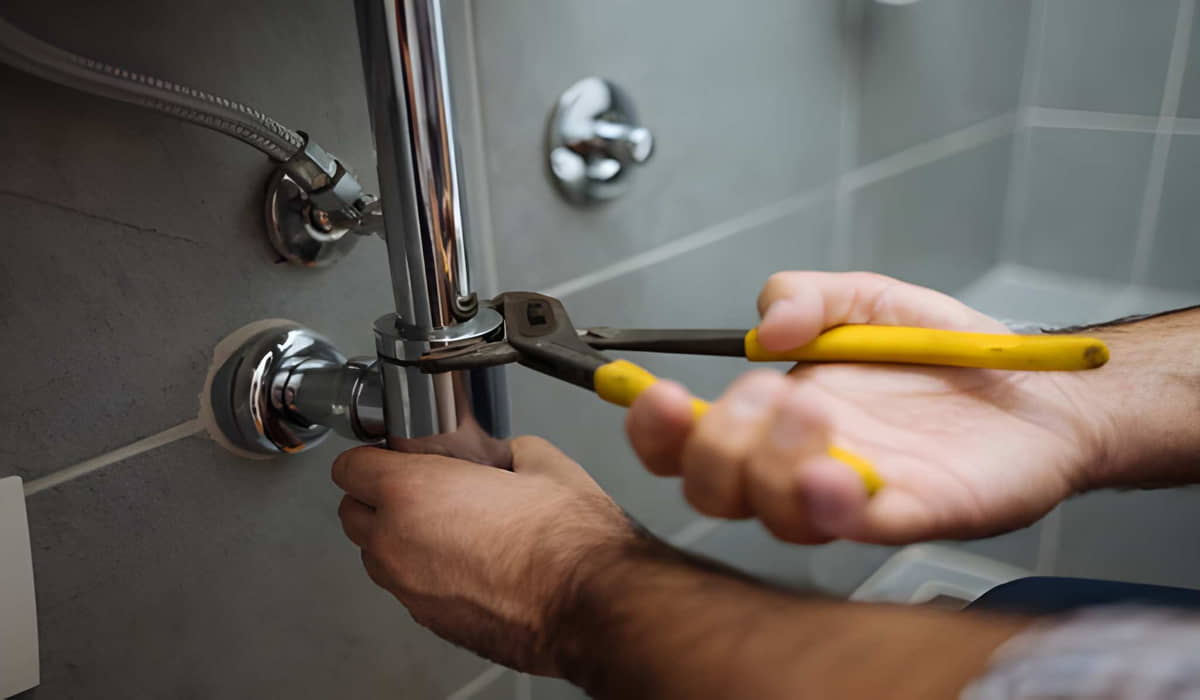
Plumbing emergencies can happen at any time. A pipe may burst, the toilet may overflow, or water may start leaking from places you never noticed before. These situations can be stressful, especially when water is spreading fast.
The good news is this: while you wait for your emergency plumber to arrive, there are simple and safe steps you can take to reduce damage and stay calm. You do not need special tools or expert knowledge. You only need to act quickly and wisely.
This guide explains exactly what to do while waiting for your emergency plumber.
Stay Calm and Act Quickly
The first and most important thing is to stay calm. Panic can lead to wrong decisions that may cause more damage.
Take a deep breath and look at the problem. Is water leaking? Is it flooding? Is there a bad smell? Understanding what is happening will help you take the right steps until professional help arrives.
Turn Off the Main Water Supply
If water is leaking or flooding, turn off the main water supply immediately.
Every home or building has a main water shut-off valve. It is usually located:
- Near the water meter
- Under the kitchen sink
- In the bathroom
- Outside the house
Turn the valve clockwise to stop the water. This single step can prevent serious water damage to floors, walls, and furniture.
If you are unsure where the valve is, now is a good time to learn. Knowing this can save you thousands in repairs.
Switch Off Electricity if Water Is Near Sockets
Water and electricity are dangerous together.
If water is close to electrical outlets, appliances, or switches, turn off the electricity from the main breaker if it is safe to do so. Do not touch any electrical device with wet hands.
If you are not sure, stay away from the area and wait for your emergency plumber.
Stop Small Leaks Temporarily
If the leak is small and easy to reach, you can try a temporary fix.
You can:
- Use a towel or cloth to wrap around the leaking pipe
- Place a bucket or bowl under the leak
- Use waterproof tape if available
These are not permanent solutions, but they can slow down the leak until the plumber arrives.
Do not use strong glue or chemicals. These can make the problem worse and harder to fix.
Clear the Area Around the Problem
Move furniture, rugs, and valuable items away from the affected area. Water can damage wood, fabric, electronics, and documents very quickly.
If the issue is in the bathroom or kitchen, remove items from cabinets and floors to keep them safe.
This also gives your emergency plumber clear space to work faster when they arrive.
Open Drains for Minor Blockages
If water is draining slowly but not overflowing, you can try simple steps.
You can:
- Remove visible debris from the drain
- Pour hot (not boiling) water slowly
- Use a plunger gently
Do not use chemical drain cleaners during an emergency. These can damage pipes and are unsafe if the plumber needs to work on the drain.
Do Not Try Complex Repairs
This is very important.
Do not try to:
- Open walls or floors
- Replace pipes
- Use heavy tools
- Force open stuck valves
Emergency plumbing issues need professional tools and experience. Trying to fix complex problems can cause more damage and higher repair costs.
Your job is to control the situation, not repair it.
Take Photos or Videos of the Issue
Before the plumber arrives, take clear photos or short videos of the problem.
This helps in:
- Explaining what happened
- Showing the damage
- Supporting insurance claims if needed
If the leak stops after you turn off the water, photos will still show what happened.
Ventilate the Area
If there is standing water, bad smells, or moisture, open windows and doors if possible.
This helps reduce:
- Mold growth
- Bad odors
- Humidity damage
Ventilation is especially helpful in bathrooms, kitchens, and basements.
Keep Children and Pets Away
Plumbing emergencies can be unsafe. Wet floors are slippery, and exposed pipes or tools can be dangerous.
Make sure children and pets stay away from the affected area until the plumber finishes the repair.
Prepare Information for the Plumber
While waiting, gather helpful details such as:
- When the problem started
- What you noticed first
- Any recent plumbing work
- Whether this problem happened before
This information helps the emergency plumber diagnose and fix the issue faster.
Why Calling a Professional Emergency Plumber Matters
Emergency plumbers are trained to handle urgent problems safely and correctly. They arrive with proper tools and experience to fix the issue without causing more damage.
A professional plumber can:
- Stop leaks properly
- Fix broken pipes
- Clear serious blockages
- Prevent future problems
Trying to save money by delaying or doing it yourself often leads to higher repair costs later.
How Fast Emergency Plumbing Service Saves You Money
Quick action reduces:
- Water damage
- Mold growth
- Structural issues
- Expensive replacements
The sooner an emergency plumber arrives, the less damage your home or business will suffer.
This is why reliable emergency plumbing services are worth every penny.
Final Thoughts
Plumbing emergencies are stressful, but you are not helpless.
By turning off the water, keeping the area safe, and avoiding risky repairs, you can protect your property while waiting for your emergency plumber. Simple actions can make a big difference.
Always keep the contact number of a trusted emergency plumber saved in your phone. When problems happen, fast professional help is the best solution.
If you need emergency plumbing services, choose a plumber who is experienced, fast, and available 24/7. It is the safest and smartest choice for your home and your wallet.