


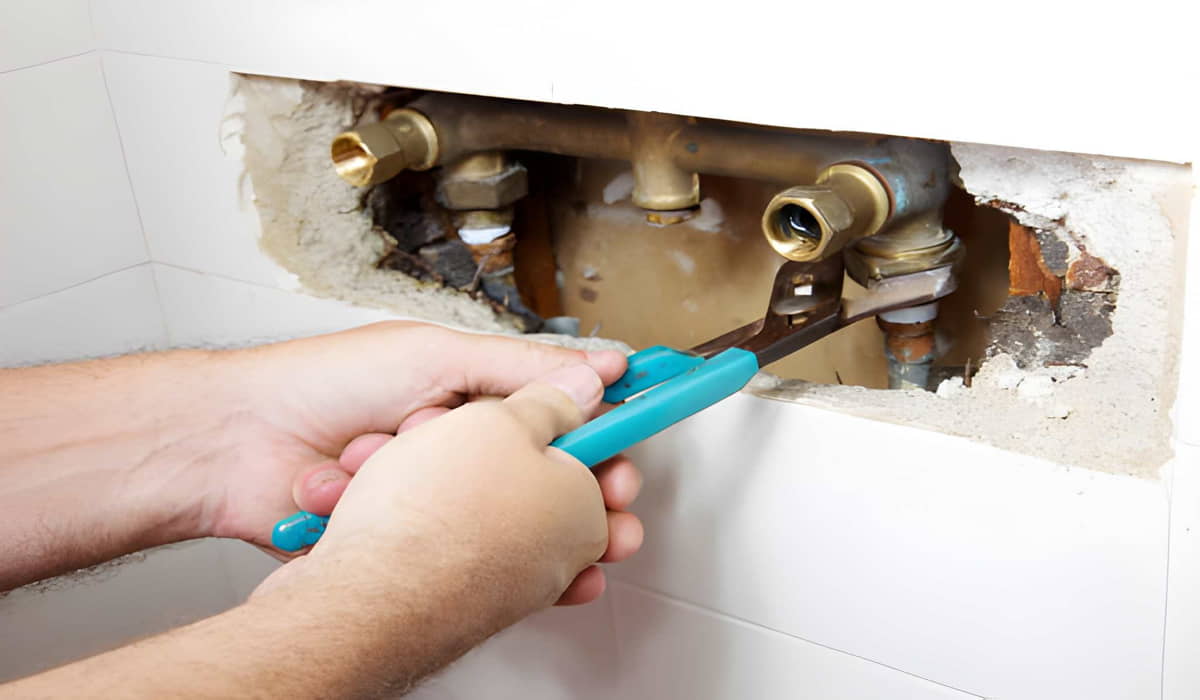
Preventing leaks and saving water starts with regular checks of faucets, toilets, and pipes. Fix drips immediately, install low-flow fixtures, and monitor your water bill for sudden spikes. These simple steps can save thousands of gallons yearly and cut your bills significantly.
Water leaks waste money and resources. A single dripping faucet loses up to 3,000 gallons per year. That’s enough to take 180 showers.
Most leaks are easy to spot and fix. Let’s walk through what you need to know.
Check Your Toilets First
Toilets are sneaky water wasters. They can leak without making a sound. Here’s a quick test: drop food coloring in the tank. Wait 15 minutes without flushing. If color appears in the bowl, you’ve got a leak.
The flapper valve usually causes this problem. It’s a rubber piece that seals the tank. They wear out after a few years. Replacing one costs about $5 and takes 10 minutes.
Running toilets waste up to 200 gallons daily. That’s $70 monthly down the drain. Fix it fast.
Hunt Down Dripping Faucets
That annoying drip might seem small. But it adds up quickly. One drop per second wastes 5 gallons daily. That’s 1,825 gallons yearly from one faucet.
Usually, worn-out washers or O-rings cause drips. You can replace these yourself with basic tools. Hardware stores sell repair kits for under $10. YouTube has tons of tutorials if you’re stuck.
Can’t fix it yourself? Call a plumber. The repair cost is nothing compared to months of wasted water.
Inspect Your Pipes
Look under sinks and around your water heater. Feel the pipes for dampness. Check for puddles or water stains. These signal leaks that need attention.
Pipe leaks often happen at joints and connections. Tightening them might solve the problem. But corroded or cracked pipes need professional help.
Don’t ignore small leaks. They get worse over time and can cause serious water damage.
Watch Your Water Meter
Here’s a clever trick to find hidden leaks. Turn off all water in your house. Check your water meter and write down the numbers. Wait two hours without using water. Check the meter again.
If the numbers changed, water is leaking somewhere. This method catches leaks you can’t see or hear.
Install Low-Flow Fixtures
Old showerheads use 5 gallons per minute. New low-flow models use 2 gallons or less. You won’t notice the difference in water pressure, but your bill will drop.
Low-flow faucet aerators are even cheaper. They cost $3 to $5 each and screw right on. Installing them takes seconds.
These fixtures pay for themselves in months through water savings.
Fix Outdoor Leaks Too
Garden hoses and outdoor faucets leak often. Check connections where hoses attach to spigots. Replace worn washers or damaged hoses.
Sprinkler systems need regular checks too. Look for soggy spots in your yard when sprinklers aren’t running. That’s a sign of underground leaks.
Upgrade Your Appliances
Old washing machines and dishwashers guzzle water. Modern models use half as much. If your appliances are over 10 years old, consider upgrading.
Look for WaterSense or Energy Star labels. These certified products meet strict efficiency standards.
Change Your Habits
Small behavior changes add up. Turn off the tap while brushing teeth. Take shorter showers. Run dishwashers and washing machines only when full.
Don’t use your toilet as a trash can. Every flush wastes gallons unnecessarily.
Monitor Your Bill
Keep an eye on your water bill each month. A sudden increase without explanation usually means a leak. Catching it early prevents bigger problems.
Most water companies show your usage history. Compare month to month and look for unusual jumps.
When to Call Professionals
Some leaks need expert help. If you’ve got low water pressure throughout your house, there might be a main line leak. Wet spots on ceilings or walls suggest hidden pipe problems.
Water heater leaks can be dangerous. Gas leaks combined with water create serious hazards. Don’t mess around – call a licensed plumber.
The Bottom Line
Water leaks are common but fixable. Most repairs are cheap and simple. Regular checks take minutes but save hundreds of dollars.
Start with the toilet color test today. Walk around and look for drips. Your wallet and the planet will thank you.
Every gallon you save matters. Small fixes create big results over time.