


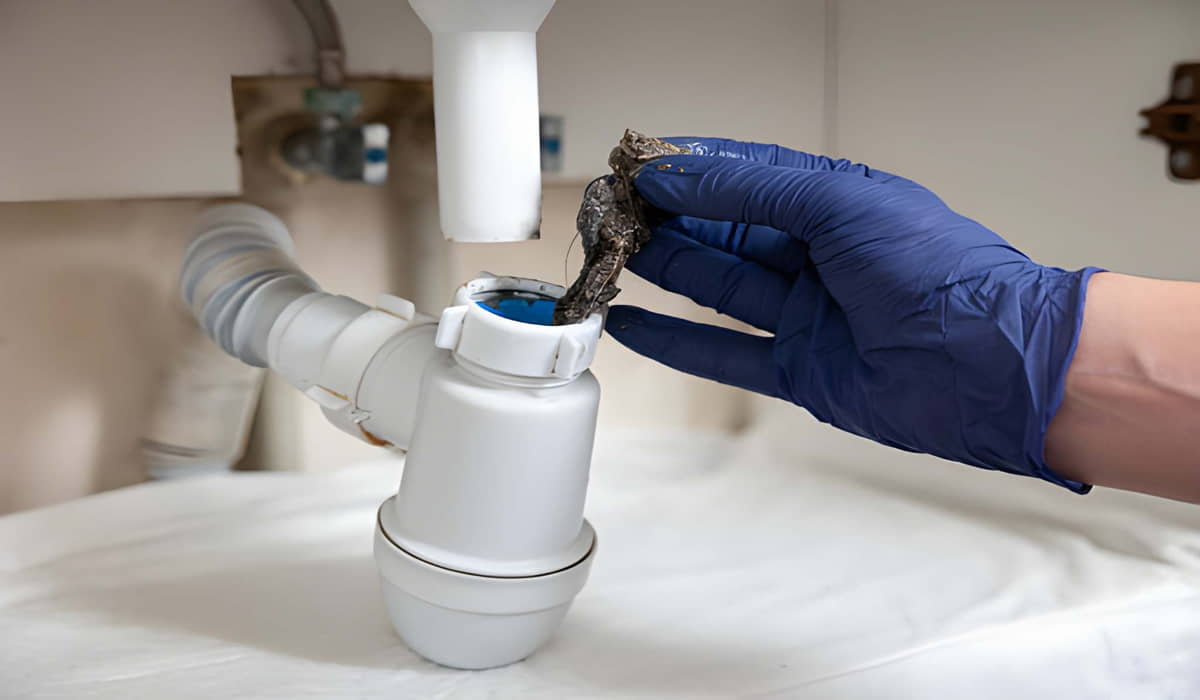
Keeping your pipes and drains healthy prevents expensive repairs and messy disasters. Regular cleaning, watching what goes down your drains, and quick fixes for small problems save thousands in plumber bills. Simple monthly habits keep water flowing smoothly for years.
Your home’s plumbing works hard every day. Sinks, showers, toilets – they all depend on clean pipes. Let’s keep them that way.
Why Pipe Care Matters
Clogged drains don’t happen overnight. Hair, soap, grease, and food build up slowly. By the time you notice slow drainage, the problem’s already serious.
A burst pipe can flood your home in minutes. Water damage ruins floors, walls, and furniture. Prevention costs pennies compared to repairs.
What Never Goes Down Your Drains
This is huge. Most drain problems start with what people flush or pour.
Kitchen sinks hate grease and oil. They look liquid when hot but turn solid in your pipes. Scrape greasy pans into the trash first. Coffee grounds and eggshells? Trash them too.
Bathroom drains can’t handle hair well. Get a hair catcher for your shower – they cost $5 and save hundreds. Don’t flush cotton swabs, dental floss, or “flushable” wipes. Spoiler: those wipes aren’t really flushable.
Monthly Maintenance That Works
Once a month, give your drains some love. It takes 10 minutes total.
Pour boiling water down each drain. This melts soap buildup and small clogs. Do this for kitchen and bathroom sinks plus your shower.
For kitchen sinks, try this natural cleaner: half cup baking soda, then half cup vinegar. Let it fizz for 15 minutes. Rinse with hot water. It’s cheap and actually works.
Check under sinks for leaks. Feel around pipes with your hand. Even small drips lead to mold and water damage.
Signs You’ve Got Problems
Catch issues early and they’re easy fixes. Wait too long and you’re calling a plumber.
Slow drains mean partial clogs. Fix them now before they block completely. Gurgling sounds? Air is trapped in your pipes. That’s not normal.
Bad smells from drains signal buildup or dry P-traps. P-traps are the curved pipes under sinks that hold water. If they dry out, sewer gas comes up. Run water in unused sinks weekly.
Water backing up is serious. If your toilet overflows when you run the washing machine, you’ve got a main line issue.
Tools Every Homeowner Needs
You don’t need a truck full of equipment. Just a few basics.
A plunger is your first defense. Get two – one for toilets, one for sinks. They’re different shapes. A drain snake (also called an auger) handles clogs plungers can’t. They cost $10 to $30.
Keep a bucket and old towels handy. Plumbing work gets wet. An adjustable wrench tightens loose connections.
DIY Fixes You Can Handle
Most clogs don’t need a plumber. Start with a plunger. Make sure there’s enough water to cover the cup. Plunge hard 15-20 times.
Still clogged? Try a drain snake. Push it down until you hit resistance. Turn the handle to break up the clog. Pull out slowly.
For toilet clogs, never use chemical drain cleaners. They damage pipes and rarely work. Stick with plungers or call a pro.
When to Call a Plumber
Some problems are above your pay grade. Don’t be a hero.
Multiple drains backing up at once means a main sewer line issue. That’s professional territory. No water anywhere in your house? Call immediately.
Frozen pipes need expert care. Trying to thaw them yourself can cause bursts. Strange banging noises (called water hammer) signal pressure problems.
If you smell gas or see major leaks, shut off your main water valve and call for help.
Seasonal Tips
Winter threatens pipes in cold areas. Insulate exposed pipes in basements and crawl spaces. Let faucets drip during freezing nights. Moving water doesn’t freeze easily.
Spring is inspection time. Check outdoor faucets and sprinkler systems. Winter can crack them without you knowing.
The Real Secret
Consistency beats everything else. Spend 10 minutes monthly on maintenance. You’ll avoid 99% of plumbing nightmares.
Treat your drains right and they’ll treat you right. It’s that simple.