


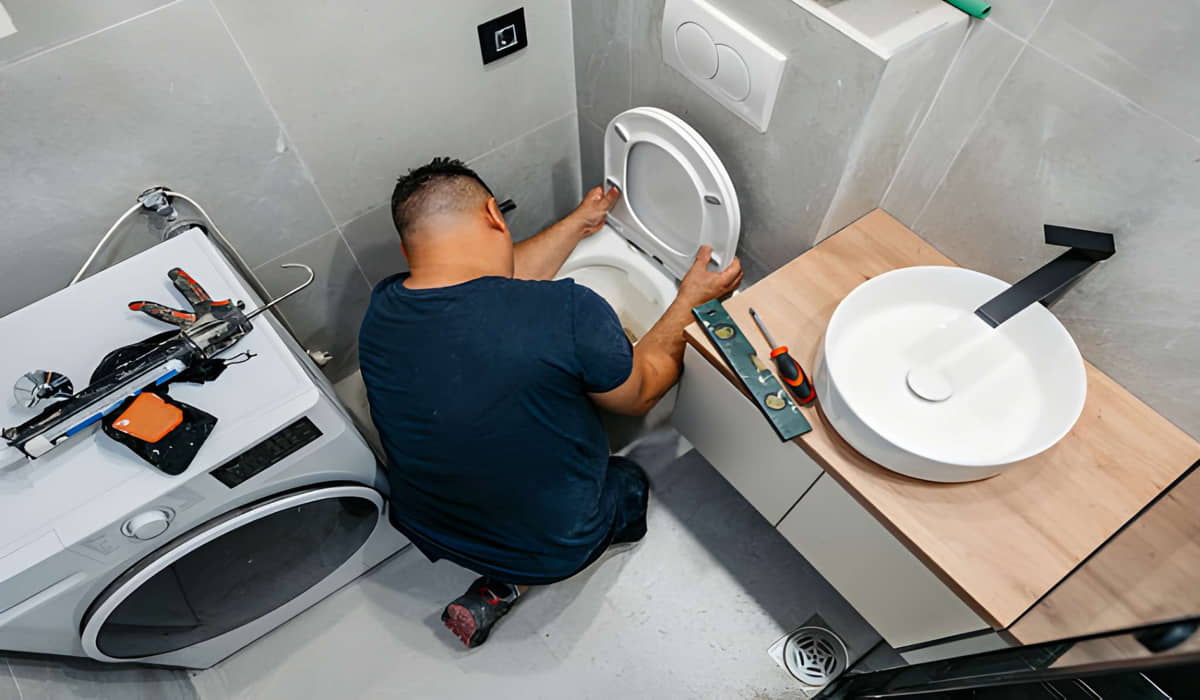
Bathroom plumbing problems often start small. A slow drain, a dripping tap, or a running toilet may not look serious at first. Many people ignore these issues, thinking they will fix them later. But small plumbing problems usually grow into expensive repairs. Fixing bathroom plumbing issues early can save you a lot of money in the long run. It also helps protect your home, your water bills, and your peace of mind.
This guide explains how common bathroom plumbing problems waste money, why early repairs are cheaper, and how professional plumbing services help you avoid high costs.
Small Plumbing Problems Cost More Than You Think
Many homeowners don’t realize how much money they lose from small bathroom plumbing issues. A leaking faucet can waste hundreds of liters of water every month. A running toilet can double your water bill without you noticing. Even a slow leak under the sink can damage cabinets, floors, and walls over time.
Water damage is one of the most expensive home repairs. When moisture stays hidden behind tiles or inside walls, it creates mold, weakens wood, and damages paint. What could have been a simple pipe fix turns into a major renovation. Fixing a small leak early costs very little compared to replacing flooring or repairing structural damage.
Leaky Faucets and Pipes Increase Your Water Bills
A dripping tap may look harmless, but it wastes water 24 hours a day. Over time, this adds up to a high water bill. Leaking pipes inside walls are even worse because they go unnoticed for months. By the time you see damp spots or peeling paint, the damage is already serious.
Fixing leaks early saves water and lowers your monthly bills. A plumber can replace worn washers, tighten fittings, or fix pipe joints quickly. These repairs cost far less than paying for wasted water every month.
Clogged Drains Lead to Bigger Repairs
Bathroom drains often get clogged with hair, soap residue, and dirt. When drains are slow, people try home solutions that sometimes make the problem worse. Chemical cleaners may damage pipes and create leaks over time.
If a clog is not fixed properly, pressure builds up in the pipes. This can cause pipe cracks or backups that flood the bathroom. Professional drain cleaning removes blockages safely and protects your pipes. Fixing a clog early prevents pipe replacement, which is much more expensive.
Running Toilets Waste More Money Than You Expect
A running toilet is one of the biggest sources of water waste in a bathroom. It can waste hundreds of liters every day. Many people don’t notice it because the water flows silently into the bowl.
Simple parts like flappers, valves, or float systems often cause the problem. These parts are inexpensive and easy to replace. Ignoring a running toilet leads to high water bills and potential tank damage. Fixing it early saves money every single month.
Low Water Pressure Can Be a Sign of Hidden Problems
Low water pressure in the bathroom is not always a minor issue. It may signal pipe corrosion, mineral buildup, or hidden leaks. Many homeowners ignore it and adjust their habits instead of fixing the cause.
When pipes corrode or clog internally, they eventually fail. Pipe replacement costs much more than early maintenance. A professional plumber can inspect the system, clean buildup, or replace small sections before full pipe replacement is needed.
Preventing Mold Saves Health and Repair Costs
Moisture from plumbing leaks creates the perfect environment for mold. Mold damages walls, ceilings, and floors. It also causes health issues like allergies and breathing problems.
Mold removal is expensive and sometimes requires tearing down walls or tiles. Fixing plumbing leaks early keeps moisture under control and prevents mold growth. This protects both your home and your family’s health.
Emergency Repairs Are Always More Expensive
Plumbing emergencies usually happen at the worst times—late at night or on weekends. Emergency repairs cost more because of urgent service fees and severe damage.
For example, a small pipe leak fixed early costs very little. But if that pipe bursts, you may need water damage restoration, pipe replacement, and temporary relocation. Regular bathroom plumbing maintenance helps avoid these emergency situations and saves money.
Professional Plumbing Repairs Save You Money Long-Term
Some homeowners try to fix plumbing problems themselves to save money. While small tasks may be manageable, many bathroom issues need professional tools and experience. Incorrect repairs can make problems worse and lead to higher costs later.
A professional plumber diagnoses the root cause, not just the symptom. They use quality parts and proper techniques, ensuring the repair lasts longer. This prevents repeated repairs and saves money over time.
Upgrading Old Plumbing Improves Efficiency
Older bathrooms often have outdated plumbing fixtures that waste water. Modern faucets, toilets, and shower systems are designed to use less water while maintaining strong performance.
Upgrading these fixtures reduces water usage and lowers monthly bills. While there is an upfront cost, the long-term savings make it worth it. Many homeowners recover the cost through reduced water bills within a short time.
Regular Plumbing Inspections Prevent Costly Damage
Routine plumbing inspections help catch small problems before they turn into big ones. A plumber can spot leaks, corrosion, and weak connections early. This proactive approach is one of the best ways to save money.
Regular inspections extend the life of your plumbing system and prevent sudden failures. They also help maintain your property’s value by keeping the bathroom in good condition.
Final Thoughts
Fixing bathroom plumbing problems early is one of the smartest ways to save money. Small issues like leaks, clogs, and running toilets may seem minor, but they lead to high water bills, property damage, and expensive repairs if ignored.
By addressing problems early, using professional plumbing services, and maintaining your bathroom regularly, you protect your home and your budget. Spending a little now on plumbing repairs can save you a lot in the future.