


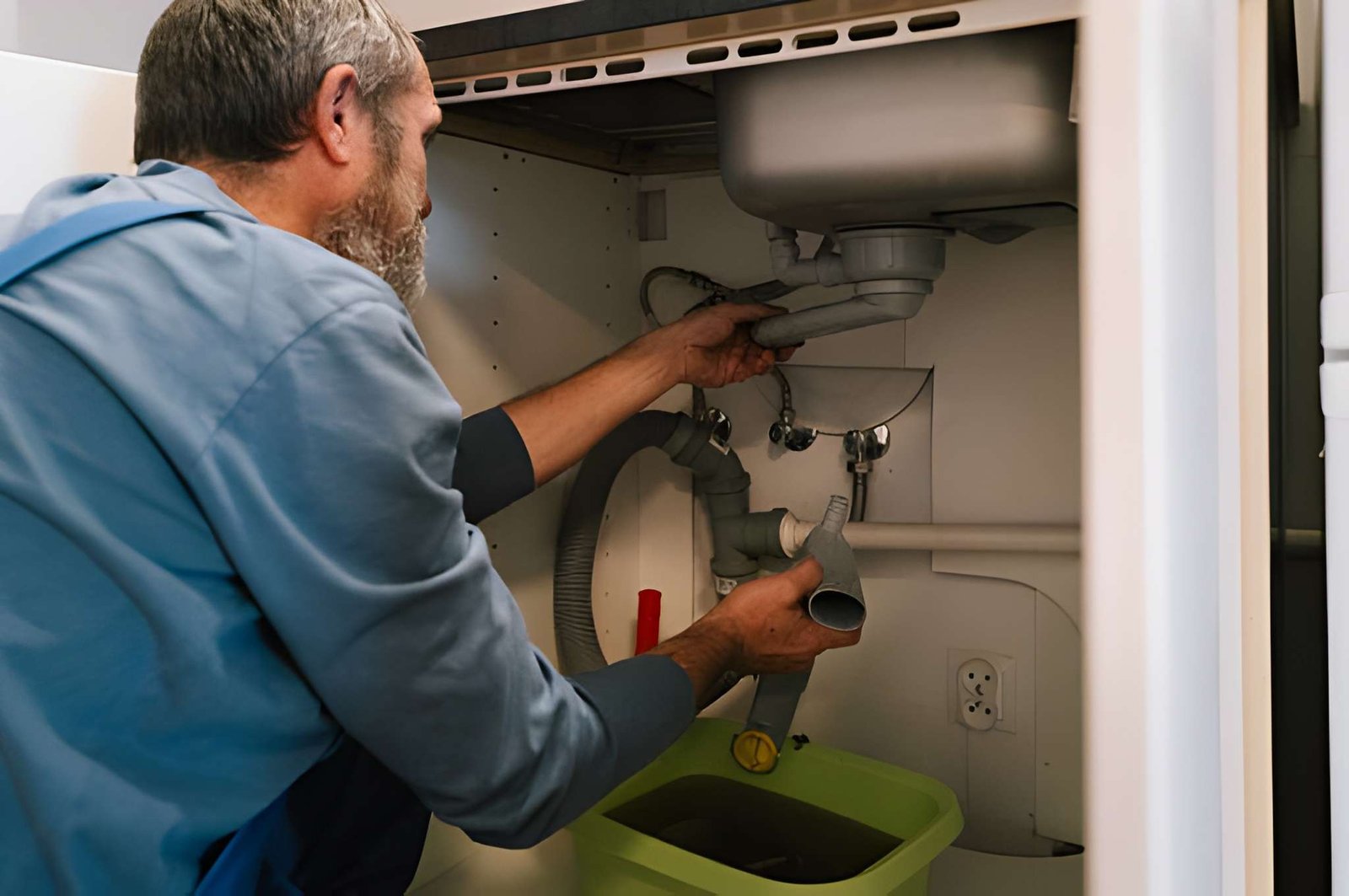
If your sink is draining slowly, your bathroom smells bad, or water is backing up, you may wonder: should I clean the pipeline myself or call a plumber?
The simple answer is: you can handle small and simple blockages yourself, but serious or repeated problems should always be handled by a professional plumber. Knowing the difference can save you time, money, and bigger damage.
In this guide, you will learn when DIY cleaning is safe, when you must call a plumber, and how to avoid costly mistakes.
When You Can Clean Your Pipeline Yourself
Some plumbing issues are minor and can be handled without professional help. If the problem is small and easy to access, you can try basic cleaning methods.
You can clean your pipeline yourself when:
- Water is draining slowly but not completely blocked
- The clog is near the surface (like in a sink or shower)
- There is no bad sewage smell
- The issue happened recently
- Only one drain is affected
In these cases, simple tools and home methods usually work.
Simple DIY Methods That Work
You do not need expensive tools for basic cleaning. Here are some safe methods:
1. Hot Water Flush
Pour hot (not boiling) water slowly into the drain. This helps break down grease and soap buildup.
2. Baking Soda and Vinegar
Pour baking soda into the drain, then add vinegar. Let it sit for 10–15 minutes, then flush with hot water. This helps remove minor buildup.
3. Plunger
A plunger creates pressure that can push the blockage out. It works well for sinks and toilets.
4. Drain Snake or Wire
A simple drain snake or even a bent wire can pull out hair and debris from shallow clogs.
These methods are safe and effective for small problems.
When You Should Call a Plumber
Not all plumbing problems are simple. Some issues require professional tools and experience.
You should call a plumber if:
- The drain is completely blocked
- Water is backing up into sinks or toilets
- There is a strong bad smell
- Multiple drains are clogged at the same time
- The problem keeps coming back
- Pipes are making unusual noises
- There is a leak along with the blockage
These signs usually mean the problem is deeper inside the pipeline.
Why DIY Cleaning Is Not Always Safe
Many people try to fix everything themselves to save money. But sometimes DIY methods can make things worse.
1. Chemical Cleaners Can Damage Pipes
Store-bought drain cleaners may look like a quick fix, but they contain strong chemicals. These can:
- Damage pipes over time
- Cause leaks
- Harm the environment
- Be dangerous for your skin and eyes
Professional plumbers avoid harsh chemicals and use safer methods.
2. You May Push the Blockage Deeper
Using the wrong tools or too much pressure can push the clog further into the pipeline. This makes it harder and more expensive to fix later.
3. Hidden Problems Can Be Missed
Sometimes a clog is not just a clog. It could be caused by:
- Tree roots inside pipes
- Broken or cracked pipes
- Heavy grease buildup
- Old plumbing system issues
DIY methods cannot detect these problems. A plumber uses special tools like cameras to find the real cause.
What Professional Plumbers Do Differently
Hiring a plumber may cost money, but it saves you from bigger problems.
Professional plumbers:
- Inspect the full pipeline
- Use advanced tools like drain machines and hydro jetting
- Remove deep blockages safely
- Fix underlying issues
- Prevent future clogs
They do not just clear the pipe, they solve the problem completely.
Cost Comparison: DIY vs Plumber
Many people choose DIY to save money, but it is not always cheaper.
DIY cleaning:
- Low cost at first
- Works for small clogs
- Risk of repeat problems
Professional plumber:
- Higher upfront cost
- Long-term solution
- Prevents bigger damage
If a small problem becomes serious, you may end up paying much more later. So choosing the right option early is important.
Signs Your Pipeline Needs Immediate Professional Help
Do not wait if you notice these warning signs:
- Water overflowing
- Toilet backing up
- Multiple drains blocked
- Bad smell spreading in the house
- Gurgling sounds from pipes
These are signs of a major blockage or system issue. Immediate professional help is the safest option.
How to Prevent Pipeline Blockages
Prevention is always better than repair. You can reduce plumbing problems by following simple habits:
- Do not pour grease or oil into drains
- Use drain covers to catch hair
- Avoid flushing wipes or solid items
- Clean drains regularly with hot water
- Schedule occasional professional cleaning
These steps keep your pipeline healthy and reduce the need for repairs.
Final Thoughts
So, can you clean your pipeline yourself or should you call a plumber?
You can handle small and simple clogs using basic methods. But for serious, repeated, or deep problems, calling a professional plumber is the safest and smartest choice.
Trying to fix everything yourself may save money at first, but it can lead to bigger damage if the problem is not handled correctly.
A balanced approach works best: handle minor issues yourself, but trust a professional for anything complex. This keeps your plumbing system safe, efficient, and long-lasting.