
Most people only think about a plumber when something goes wrong. A leaking pipe, blocked drain, or no hot water usually forces a quick call. But professional plumbers wish customers knew a few important things before problems become emergencies. Knowing these basics can save you money, protect your home, and help your plumbing system last longer.
Below are five key points that every plumber wants you to understand.
1. Small Plumbing Problems Never Fix Themselves
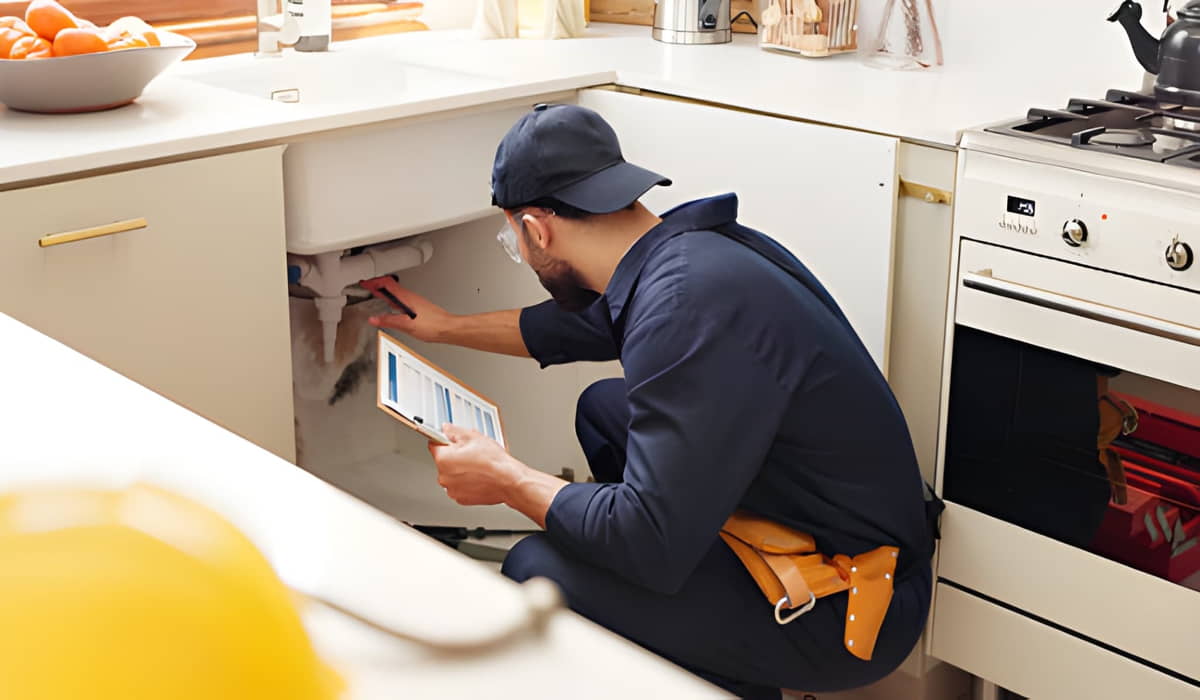
One of the biggest mistakes homeowners make is ignoring small plumbing issues. A slow drain, dripping tap, or low water pressure may not feel urgent, but these problems almost always get worse over time. What starts as a small leak can slowly damage walls, floors, and cabinets without you noticing.
For example, a dripping tap might seem harmless, but it can waste hundreds of liters of water every month. A slow drain often means a blockage is building deeper inside the pipe. If left untreated, it can turn into a full blockage or even cause a pipe to burst.
Plumbers always recommend fixing small issues early. Early repairs are faster, cheaper, and less stressful. Waiting usually means more damage, higher repair costs, and sometimes emergency call-out fees.
2. Not Everything Can Go Down the Drain
Many plumbing problems happen because people flush or drain things that should never enter the plumbing system. Toilets and sinks are not trash bins, even if water washes things away quickly.
Common items plumbers find blocking pipes include:
- Wet wipes (even “flushable” ones)
- Cooking oil and grease
- Food scraps
- Coffee grounds
- Hair
- Sanitary products
- Paper towels
- Baby wipes
Grease is one of the worst offenders. When hot oil goes down the sink, it looks harmless. But as it cools, it hardens inside the pipes and traps other waste. Over time, this creates serious blockages.
Your plumber wants you to know that only toilet paper and human waste should go into the toilet, and sinks should only handle water and mild soap. Anything else should go in the trash.
3. DIY Plumbing Can Make Things Worse
Many homeowners try to fix plumbing problems themselves, especially after watching online videos. While small tasks like changing a shower head or tightening a loose tap are usually safe, more complex plumbing jobs can cause serious damage if done incorrectly.
Plumbers often get calls after a DIY repair goes wrong. Pipes get overtightened and crack. Incorrect fittings cause hidden leaks. Wrong chemicals damage pipes. Poor repairs may work for a short time but fail later, causing water damage.
Another issue is using strong chemical drain cleaners. These products may clear a blockage temporarily, but they can damage pipes, especially older ones. Over time, they weaken the plumbing system and lead to leaks.
A professional plumber has the tools, training, and experience to fix problems properly. Calling a plumber early often costs less than fixing damage caused by a failed DIY repair.
4. Regular Maintenance Saves You Money
Most people don’t realize that plumbing systems need regular maintenance, just like cars or air conditioners. Pipes, water heaters, valves, and drains all wear out over time. Regular checks help catch problems before they turn into emergencies.
A plumber can inspect your system, clean drains, check water pressure, test valves, and spot leaks early. This helps prevent sudden breakdowns, water damage, and expensive repairs.
For example, water heaters often fail because of sediment buildup. Regular flushing extends their life and improves performance. Leaking valves or worn seals can be replaced early before they cause flooding.
Your plumber wants you to understand that maintenance is not a waste of money. It’s an investment that protects your home and reduces long-term costs.
5. Emergency Plumbing Is Expensive for a Reason
Many people are surprised by the cost of emergency plumbing services. But emergencies usually happen at the worst times—late at night, early morning, or during weekends and holidays. Emergency plumbers respond quickly, bring specialized tools, and handle urgent situations that can cause serious damage if not fixed immediately.
Burst pipes, major leaks, sewer backups, and gas line issues require immediate attention. Delaying these repairs can damage walls, floors, furniture, and electrical systems. In severe cases, it can even make a home unsafe to live in.
Your plumber wants you to know that most emergencies can be avoided with early repairs and regular maintenance. Fixing small leaks, servicing appliances, and paying attention to warning signs greatly reduces the chance of sudden breakdowns.
Bonus Tip: Know Where Your Main Water Shut-Off Is
This is something plumbers always wish homeowners knew. If a pipe bursts or a major leak starts, knowing how to shut off the main water supply can prevent serious damage. Every home has a main shut-off valve, usually near the water meter or where the main line enters the house.
In an emergency, turning off the water quickly can save thousands in repair costs. Take a few minutes to locate it and make sure it works.
Final Thoughts
Plumbers don’t just fix problems—they help protect your home. Understanding these five things can help you avoid common mistakes, reduce repair costs, and keep your plumbing system running smoothly.
Fix small problems early. Be careful what goes down the drain. Avoid risky DIY repairs. Schedule regular maintenance. And be prepared for emergencies.
Your plumber’s job becomes easier when homeowners know the basics—and your home stays safer and more comfortable because of it.